Understanding MSC Exosomes: Roles and Future Impact
Intro
Mesenchymal stem cell (MSC) exosomes have recently garnered substantial attention within the realm of biomedical research. These small vesicles act as vehicles for cellular communication and play notable roles in a variety of biological processes. As we dive deeper into the subject, it’s crucial to appreciate the nuances that surround their functions, applications, and the promising future that lies ahead in regenerative medicine.
Research surrounding MSC exosomes reveals their critical involvement in intercellular interactions, signaling, and the modulation of immune responses. These exosomes are not mere byproducts; they are multifunctional entities that can transport proteins, lipids, and nucleic acids. With their unique ability to influence neighboring cells, they spark a significant interest among researchers and clinicians alike.
Moreover, the exploration of MSC exosomes extends beyond basic research into practical applications. Their potential use in therapeutic contexts—ranging from tissue repair to disease treatment—could revolutionize how we approach regenerative medicine. However, the road to realizing these applications is not without challenges. The complexity of exosome biogenesis, composition, and their varied effects on different biological systems raises questions that need thorough investigation.
As we navigate through this article, we will embark on an enlightening journey to unpack the vital role of MSC exosomes. The exploration will unfold various aspects, from key findings that illuminate our understanding to a thorough discussion of methodologies in current research.
"Understanding the intricacies of MSC exosomes is not just a scientific endeavor; it is a pathway to potentially transformative medical breakthroughs."
With this context in mind, let’s delve into the key findings that have emerged from recent scholarly investigations.
Foreword to MSC Exosomes
Understanding mesenchymal stem cell (MSC) exosomes requires recognition of their relevance across various scientific and medical fields. These exosomes, which are essentially small membrane-bound vesicles secreted by MSCs, play pivotal roles in intercellular communication. They can shuttle molecular information between cells, influencing numerous biological activities including immune responses, tissue regeneration, and even metabolic regulation. This introduction aims to set the stage for deeper explorations into MSC exosomes throughout the article, laying bare the significance of this topic.
Definition and Origin
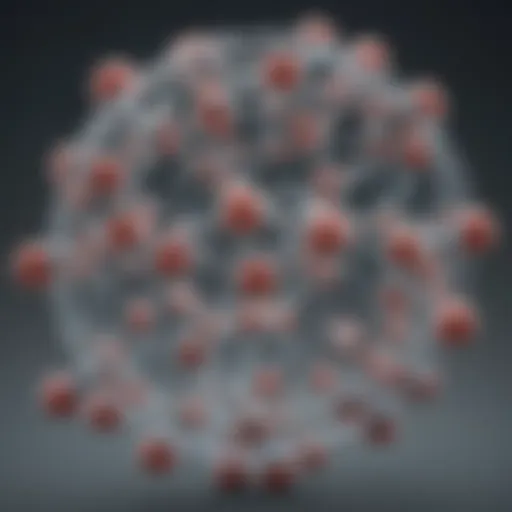
MSC exosomes are nano-sized vesicles that are released by mesenchymal stem cells into the extracellular environment. Defined as endosomal-derived structures, their diameter typically ranges from 30 to 150 nanometers. The origin of these exosomes can be traced back to the endosomal pathway of MSCs. This process involves the formation of intraluminal vesicles within multivesicular bodies, which are then secreted when these bodies fuse with the plasma membrane of the cell.
In a more straightforward sense, if we visualize a cell as a busy kitchen, MSCs are the chefs preparing little parcels (exosomes) with unique ingredients (proteins, lipids, and RNAs) inside them. These parcels are then sent out to communicate with other cells, much like delivering dishes to a table of diners.
Historical Context
The journey of understanding exosomes began several decades ago. Initially, researchers viewed these structures mostly as cellular waste - remnants left after a cell closes up shop once a job is done. However, as technology advanced, particularly in microscopy and molecular analysis, the perspective started to evolve.
In the 1980s, scientists started to unlock the communication potential bundled within these vesicles. A turning point occurred in the 1990s when the role of exosomes in the immune system was first established. From then on, a storm of research kicked off, showcasing exosomes in new lights - not just as trash, but as treasure chests of therapeutically relevant information.
"At the crossroads of discovery, MSC exosomes became the shining example of shared cellular dialogue."
Through continuing research, today we stand at a vital juncture. MSC exosomes have gained recognition for their roles in tissue repair and regenerative medicine, leading to a reconsideration of their therapeutic potential across various health challenges. This historic backdrop equips us with insights on how far we have come and, more crucially, hints at where the future exploration may well take us.
Biogenesis of MSC Exosomes
The biogenesis of mesenchymal stem cell (MSC) exosomes is a critical aspect of understanding their role in intercellular communication and therapeutic applications. Exosomes, small extracellular vesicles, are secreted by various cell types, but those derived from MSCs have received increasing attention due to their unique properties and functionalities. Grasping how these exosomes form offers insight into their cargo composition and potential impacts on neighboring cells.
Formation Mechanisms
Exosomes originate from a series of extensive cellular processes. It all begins with the inward budding of the cell membrane, resulting in the creation of early endosomes. Within these endosomes, further invagination leads to the formation of multivesicular bodies (MVBs). It’s the MVBs that take center stage in exosome biogenesis.
When the MVBs fuse with the plasma membrane, they release their internal vesicles into the extracellular space, thereby forming what we call exosomes. The regulation of this process is extremely intricate, influenced by various factors including cellular stresses, signaling pathways, and the specific microenvironment of the MSCs. For instance, hypoxic conditions can enhance exosome production, indicating that the local environment can shape the biogenesis of these vesicles.
Moreover, proteins such as Tsg101 and Alix play pivotal roles in the formation and release of exosomes. They interact with the endosomal sorting complexes required for transport (ESCRTs), a system that orchestrates the budding off of exosomes from MVBs. Each of these mechanisms contributes significantly not only to the quantity of exosomes produced but also to the diversity of their biological activity.
Molecular Components
The cargo of MSC exosomes is equally remarkable. They are not merely carriers; they are involved in a slew of biological functions. The composition varies but typically includes proteins, lipids, and nucleic acids, all of which are laden with information destined for target cells.
- Proteins - These include growth factors, cytokines, and surface proteins that facilitate communication between cells, promoting healing processes and modulation of immune responses. The presence of specific proteins like CD63, CD81, and TGF-beta highlights their roles in signaling pathways.
- Lipids - The lipid bilayer of these exosomes enables protection of the cargo while also participating in receptor binding and fusion with target cells. Notably, lipid composition can affect the uptake of exosomes by recipient cells.
- Nucleic Acids - Exosomes often carry mRNAs and microRNAs which participate in post-transcriptional regulation in target cells. This is a crucial piece of the puzzle, as these nucleic acids can potentially influence the functionality and fate of receiving cells, driving home the intercellular signaling aspect of MSC exosomes.
Highlight: The intricate interplay of proteins, lipids, and nucleic acids within MSC exosomes underpins their potential therapeutic properties, making them significant beyond just cellular refuse.
The biogenesis of MSC exosomes not only lays the groundwork for their classification but also reveals their potential in various therapeutic contexts, from regenerative medicine to combating cancer and neurodegenerative disorders. Understanding the nuances of this process can help researchers harness the power of MSC exosomes for innovative treatment strategies.
Characteristics of MSC Exosomes

Understanding the characteristics of mesenchymal stem cell (MSC) exosomes serves as a cornerstone in grasping their multifaceted roles and therapeutic potential. Exosomes, small extracellular vesicles ranging from 30 to 150 nanometers, play a pivotal role in intercellular communication. They serve as carriers of molecular messages, contributing to various biological processes. Grasping their unique attributes is essential because it lays the groundwork for their application in regenerative medicine and other therapeutic approaches.
Size and Structure
The size and structure of MSC exosomes are critical to their function. Typically, these vesicles exhibit a size that allows them to interact efficiently with target cells without being rapidly cleared by the immune system. The lipid bilayer encapsulating the exosomal contents provides stability, protecting the cargo from degradation and allowing it to traverse physiological barriers. The lipid composition, often enriched with specific phospholipids, significantly influences exosome functionality.
The structural integrity of exosomes not only facilitates the delivery of their cargo but also determines their biodistribution within the body. Understanding the nanostructure opens doors to optimizing exosome-based therapies, such as tailoring their size to enhance permeability or modifying their membrane characteristics to improve targeting.
Cargo Composition
The cargo carried by MSC exosomes includes a diverse array of biomolecules, such as proteins, lipids, mRNA, and non-coding RNA. This rich composition reflects the functional versatility of exosomes. In many ways, the cargo dictates the behavior of recipient cells, modulating processes like cell survival, proliferation, and differentiation.
For instance, the presence of growth factors like hepatocyte growth factor (HGF) or vascular endothelial growth factor (VEGF) within MSC exosomes may trigger angiogenesis or tissue repair. On the other hand, certain proteins can inhibit inflammation, contributing to immune modulation. Additionally, the non-coding RNAs can impact gene expression in target cells, thereby influencing cellular function and response.
The complexity of the cargo also emphasizes the need for standardized protocols in isolating and analyzing MSC exosomes to ensure consistency in therapeutic applications.
"Research indicates that the diversity of exosomal cargo is not just an academic interest but a vital element in developing targeted therapies."
In summary, the characteristics of MSC exosomes—specifically their size, structure, and cargo composition—are central to their functionalities and potential applications. A deeper understanding of these attributes can pave the way for innovative therapies, enhancing the efficacy and safety of MSC exosome-based treatments.
Functional Roles of MSC Exosomes
In recent years, the functional roles of MSC exosomes have come into the spotlight, as these nano-sized vesicles are recognized as essential players in the intricate world of cell communication and therapeutic applications. The biological functions of MSC exosomes are vast, influencing intercellular interactions, immune responses, and the behavior of various cell types. Understanding these roles is key not only to enriching our fundamental knowledge of cellular mechanisms but also to harnessing these properties for potential clinical applications.
Intercellular Communication
MSC exosomes act as crucial communicators between cells, transmitting a variety of bioactive molecules including proteins, lipids, and nucleic acids. This exchange fosters an environment conducive to tissue repair and regeneration. When MSC exosomes are released into the extracellular environment, they can be taken up by neighboring cells, leading to a cascade of signaling events. The contents of these exosomes often reflect the physiological state of the donor cells, thereby providing insight into the local microenvironment.
- Mechanism of Action: Exosomes deliver their cargo through receptor-mediated endocytosis or direct fusion with recipient cell membranes. This action can activate multiple signaling pathways that play pivotal roles in cell survival, proliferation, and differentiation.
- Impact on Cell Function: For instance, in a damaged tissue scenario, MSC exosomes may stimulate fibroblasts to produce collagen, aiding in wound healing. In cardiomyocytes, they might enhance cellular survival during ischemic events.
The importance of effective intercellular communication cannot be overstated; it can speed up recovery from injury and modulate pathological conditions effectively.
Modulation of Immune Response
One of the most remarkable functions of MSC exosomes lies in their ability to modulate the immune response. They can actively suppress immune activation, which is particularly beneficial in transplant medicine and autoimmune disorders. This immunomodulatory potential stems from their cargo, which can recalibrate the activity of various immune cells.
- Inhibition of Inflammation: MSC exosomes contain anti-inflammatory cytokines that can dampen the activity of pro-inflammatory cells. For example, they can inhibit T cell proliferation and promote the differentiation of regulatory T cells.
- Clinical Implications: This ability to modify immune responses has significant implications in therapies, such as reducing graft-versus-host disease in transplant patients or ameliorating symptoms in autoimmune conditions like rheumatoid arthritis.
By modulating the immune environment, MSC exosomes serve as a bridge linking therapeutic potential with clinical reality.
Influence on Cell Behavior
Another crucial role of MSC exosomes is their influence on cell behavior. Exosomes can alter how recipient cells behave, impacting everything from growth rates to stress responses. These interactions can lead to a change in phenotype or function in the recipient cells, particularly within the realms of tissue repair and regeneration.
- Facilitating Cell Reprogramming: MSC exosomes have been shown to induce a stem-like phenotype in somatic cells. This means that adult cells can be "reprogrammed" towards a more pluripotent state, which can have revolutionary implications for regenerative medicine.
- Application in Cancer Treatment: In the context of cancer, the interaction between exosomes and tumor cells can either promote or inhibit tumor progression. Some studies suggest that exosomal miRNAs can inhibit metastasis, while others indicate they might enhance cancer cell survival.
In summary, the multifaceted roles of MSC exosomes in modulating intercellular communication, immune responses, and other cell behaviors underscore their potential as influential agents in a variety of therapeutic settings. This understanding lays the groundwork for future research, which aims to further unlock the therapeutic potential of these remarkable tiny vehicles.
Therapeutic Applications of MSC Exosomes
The therapeutic potential of mesenchymal stem cell (MSC) exosomes is gaining attention in various medical fields. These tiny vesicles are not just byproducts of cellular activities; they are key players in intercellular communication and hold great promise in regenerative medicine. Understanding how MSC exosomes interact with different tissues and their capabilities in modulating biological responses is crucial for future breakthroughs in treatment strategies.
Regenerative Medicine
In regenerative medicine, MSC exosomes are proving to be game changers. They are thought to facilitate healing by transporting bioactive molecules like proteins, lipids, and nucleic acids. These specific components can promote cell proliferation, inhibit cell death, and encourage tissue regeneration. For instance, when applied to damaged tissues, MSC exosomes have shown an ability to stimulate the repair processes, improving outcomes in injuries and degenerative diseases.
Exosomes derived from MSCs can enhance angiogenesis, which is vital for tissue repair. By releasing factors that support the formation of new blood vessels, these exosomes might significantly boost healing in situations like heart attacks or wound recovery. This area of research is particularly interesting as it paves the way for developing exosome-based therapies that can be easily administered and generated in vitro, thus expanding access to advanced treatment options.


Cancer Therapy
Cancer therapy has seen an influx of innovative approaches, with MSC exosomes taking the spotlight due to their dual capability of delivering both therapeutic agents and information about tumor microenvironments. These exosomes can be engineered to carry specific drugs directly to cancer cells, potentially reducing side effects often associated with conventional chemotherapy.
Moreover, the immunomodulatory properties of MSC exosomes can be exploited to enhance anti-tumor immunity. For example, by modulating immune responses and facilitating the infiltration of immune cells into tumors, they can increase the effectiveness of immune checkpoints and other therapies. The versatility in their application makes MSC exosomes a focal point in ongoing cancer research, as scientists explore ways to harness their potential for more targeted and effective treatments.
Neurological Disorders
In the realm of neurological disorders, MSC exosomes bring forth hope for conditions characterized by neuroinflammation or neurodegeneration. Recent studies suggest that exosomes can cross the blood-brain barrier, which has been a significant challenge in treating brain-related ailments. The ability of these exosomes to carry therapeutic payloads directly to the nervous system can potentially transform how we approach diseases like Alzheimer’s and multiple sclerosis.
Their neuroprotective effects are attributed to the delivery of anti-inflammatory factors and growth factors, which may reduce neuronal damage and promote neural repair. The research in this area is expanding, positioning MSC exosomes as key candidates for future therapies that could revolutionize care in neurology.
"By leveraging the unique properties of MSC exosomes, we could potentially overcome some of the most challenging barriers in modern medicine, transforming disease management as we know it."
In summary, the therapeutic applications of MSC exosomes span beyond mere potential; they present a future where regenerative medicine, cancer treatment, and neurological protocols could be significantly enhanced. As research progresses, it becomes increasingly evident that these exosomes are not just cellular debris, but powerful components that can pave the way for innovative approaches to treatment.
Challenges in MSC Exosome Research
The study of mesenchymal stem cell (MSC) exosomes has gained considerable momentum in recent years, owing to their multifunctional roles in cellular communication and therapeutic applications. However, this burgeoning field is not without its hurdles. Addressing these challenges is paramount for advancing our understanding and utilization of MSC exosomes. The key areas of focus include the isolation and purification of these exosomes, standardization issues affecting reproducibility, and the necessity of understanding mechanisms of action. Each of these aspects plays a crucial role in shaping the future of MSC exosome research and its implications in clinical settings.
Isolation and Purification
Isolating exosomes efficiently from MSCs presents a significant challenge. Due to their small size, typically ranging from 30 to 150 nanometers, distinguishing them from other cellular debris is complex. Various techniques are employed, such as ultracentrifugation and size exclusion chromatography, each with its own set of drawbacks. For instance:
- Ultracentrifugation can be time-consuming and may require specialized equipment, leading to increased costs.
- Size exclusion chromatography might not completely remove contaminants.
This inefficiency can lead to poor yield and compromised functional integrity of exosomes, thus affecting the validity of subsequent experimental results. More standardized, universally accepted methods are needed to address these issues so that the findings can be reliably reproduced across studies.
Standardization Issues
Standardization represents a double-edged sword in MSC exosome research. Due to the emerging nature of the field, different laboratories may utilize distinct methods for exosome isolation and characterization. This inconsistency introduces significant variability in findings, hampering cross-comparability of results. Moreover:
- The lack of consensus on characterization criteria can lead researchers to define exosomes based on varying parameters.
- There are no universally accepted guidelines for reporting data related to exosome studies.
Establishing clear, consistent protocols for exosome analysis is crucial. This could involve developing universally accepted biomarkers for exosome identification and ensuring that experimental methodologies are congruent across research institutions. Such steps would bolster confidence in the findings and facilitate a more unified understanding of exosome science.
Understanding Mechanisms of Action
Equally important is the need to uncover how MSC exosomes function at the molecular level. The plethora of bioactive molecules present in these exosomes, such as proteins, lipids, and RNA, makes deciphering their precise mechanisms quite complex. Key considerations include:
- Interplay of Components: Understanding how these molecular elements interact with recipient cells is essential to harness their full therapeutic potential.
- Pathway Elucidation: Identifying the signaling pathways involved and determining how they are modulated can greatly enhance the application of exosomes in therapies.
Research efforts have often focused on broad observations without diving deeply into specific mechanisms. Greater emphasis on the mechanistic insight will not only enhance our knowledge of MSC exosomes but will also help tailor diagnostic and therapeutic interventions based on exosomal cargo.
Overall, the progress in MSC exosome research hinges upon tackling these challenges head-on. By refining isolation techniques, standardizing research protocols, and delving deeper into the molecular mechanics of exosome function, the full potential of MSC exosomes in regenerative medicine can be realized.
Future Directions in MSC Exosome Research
The exploration of mesenchymal stem cell (MSC) exosomes is teeming with potential. Understanding their future directions is not just an academic exercise; it’s a crucial aspect that holds the key to revolutionizing therapeutic interventions across a wide array of medical fields. The unique properties of MSC exosomes are paving pathways toward innovative treatments and a deeper grasp of complex biological phenomena, which reshapes our approach to disease management.
Innovative Therapeutic Strategies
MSC exosomes have caught the eye of researchers eager to explore new therapeutic strategies. These tiny vesicles, naturally secreted by MSCs, are being studied for their capacity to deliver bioactive molecules that influence numerous cellular responses. For instance, MSC exosomes can carry proteins, lipids, and RNAs that assist in tissue repair and modulate immune responses, making them suitable candidates for developing advanced therapies.
Research is underway to engineer these exosomes to enhance their therapeutic efficacy. For example, scientists are looking at ways to modify the cargo of exosomes intentionally for targeted drug delivery, circumventing some of the challenges posed by traditional delivery methods, which can be hit or miss.


An important aspect of this innovation is the utilization of exosomes in conjunction with existing treatments.
- Combination Therapies: Leveraging MSC exosomes alongside conventional treatments, like chemotherapy, can improve outcomes by reducing side effects and enhancing therapeutic windows.
- Regenerative Applications: The regenerative properties attributed to MSC exosomes can be harnessed to create therapies for chronic wounds, degenerative diseases, and organ failures.
- Cancer Treatment: Given the immune-modulating capabilities of these vesicles, they can also be pivotal in devising immune-based therapies for cancer.
The bid to develop these strategies isn't without its hurdles, though. Refining the processes to isolate and modify MSC exosomes consistently will be key. As once noted, “You can’t stir the pot if you don’t control the flame.” In this sense, maintaining standards for exosome preparation could propel this research in viable directions.
Potential in Personalized Medicine
Personalized medicine is increasingly becoming a focal point in healthcare discipline, and MSC exosomes stand at the precipice of this evolution. The adaptability of MSC exosomes offers a promising avenue for tailoring therapies to fit individual patient profiles, thus enhancing therapeutic outcomes and minimizing adverse effects.
The notion of using patient-derived MSC exosomes can provide insights into a person's unique biological landscape. This customization could extend to evaluating responses to various treatment options, significantly impacting how therapies are optimized. Here are some crucial elements of this potential:
- Tailored Therapeutics: By analyzing the specific cargo composition of exosomes derived from individual patients, medical practitioners can devise personalized treatment plans that resonate with the recipient’s unique physiological conditions.
- Diagnostic Tools: MSC exosomes can carry biological markers that provide insights into disease states, facilitating the development of diagnostic tools that could help healthcare providers make informed decisions about treatment trajectories.
- Monitoring Therapy Response: Tracking patient responses through the analysis of circulating exosome profiles could transform the way treatment efficacy is monitored.
The promise of personalization through MSC exosomes is thrilling, but entering this frontier requires careful regulation and adherence to ethical standards. Deciding the best way to obtain and handle human-derived materials for research and therapeutic purposes needs collective scrutiny to navigate ethical dilemmas, ensuring patients receive safe and effective treatments.
As we stand on the brink of novel frontiers in MSC exosome research, it’s evident they could be the missing puzzle piece in personalized and regenerative medicine. The journey ahead may be fraught with challenges, but the potential benefits warrant the exploration intricacies involved.
In summary, as research into MSC exosomes presses forward, we can anticipate a wave of innovative strategies and bespoke therapies that may not only advance medical science but also redefine our approach toward patient care. The future surely looks promising for MSC exosome applications beyond what we can envision today.
For further reading on this evolving field, consider resources like National Institutes of Health and publications from leading journals in regenerative medicine.
Ethical Considerations
As the field of MSC exosome research continues to expand, ethical considerations have taken center stage. These minuscule vesicles, derived from mesenchymal stem cells, not only carry potential for innovative therapies but also raise significant moral and ethical questions. Understanding the implications surrounding MSC exosomes is critical for researchers, practitioners, and the broader community. Navigating these ethical waters can ensure that advancements in medicine align with societal values and expectations.
Regulatory Frameworks
The establishment of robust regulatory frameworks is essential for guiding the ethical use of MSC exosomes in research and clinical applications. These regulations aim to ensure safety, efficacy, and accountability, thereby safeguarding patients and advancing public trust in novel therapies. The regulatory landscape varies worldwide, often influenced by regional laws, cultural standards, and scientific norms.
In countries like the United States, the Food and Drug Administration (FDA) plays a pivotal role by outlining guidelines that govern the manufacturing and application of cell-based therapies, including those involving MSC exosomes. Compliance with Good Manufacturing Practices (GMP) is paramount, as it ensures that these products are consistently produced and controlled according to quality standards.
Furthermore, establishing ethical review boards helps to oversee the approval of research studies involving MSC exosomes. These boards assess the potential risks and benefits of the research, ensuring that ethical considerations are taken into account before a study can proceed.
Informed Consent in Cell Therapies
Informed consent is another cornerstone of ethical practice, particularly in the context of cell therapies utilizing MSC exosomes. Obtaining informed consent involves providing patients or research participants with comprehensive information regarding the nature, risks, benefits, and implications of the treatment. This empowers individuals to make educated decisions about their participation in MSC exosome-related therapies.
It’s critical that the language used during the consent process is clear and easily understandable. Technical jargon can create barriers and lead to confusion, undermining the very purpose of informed consent. Effective communication helps build trust between practitioners and participants, paving the way for ethical transparency.
Furthermore, consent is not a one-time event but an ongoing dialogue. As the landscape of MSC exosome research evolves, so too may the information relevant to participants. Therefore, maintaining open lines of communication throughout the research or treatment process is essential.
Informed consent is not just about paperwork; it is about fostering trust and ensuring that individuals feel comfortable and valued in their participation.
Ultimately, ethical considerations regarding MSC exosomes present both challenges and opportunities. By establishing comprehensive regulatory frameworks and prioritizing informed consent, the medical community can navigate these complexities while paving the way for safe and effective applications of MSC exosome therapies.
Closure
In wrapping up our exploration of MSC exosomes, it's clear that these minute extracellular vesicles play a pivotal role in an array of biological functions and have far-reaching implications in therapeutic settings. Understanding their characteristics and mechanisms can open doors to innovative treatments, particularly in regenerative medicine and disease management.
Summary of Key Findings
The investigation into MSC exosomes highlights several critical elements that serve as the cornerstone for ongoing research:
- Biogenesis: MSC exosomes are formed through endosomal pathways, encapsulating a variety of bioactive molecules such as proteins, lipids, and RNAs. This composition is essential for their function.
- Communication Role: Exosomes mediate intercellular communication, influencing the behavior of recipient cells. Their ability to carry signals makes them vital in tissue repair and immune modulation.
- Therapeutic Applications: Their potential in regenerative therapies, cancer treatment, and disorders of the nervous system underline the promise of harnessing these vesicles in clinical settings.
- Challenges: While the prospects are exciting, challenges such as isolation, standardization, and understanding their mechanisms must be addressed to optimize their application in medicine.
Implications for Future Research
The future of MSC exosome research seems ripe with opportunity:
- Innovative Therapeutics: There’s potential to develop novel treatment strategies leveraging exosome therapies, tailored to meet individual patient needs, thus paving the way for personalized medicine.
- Research Gaps: Further studies are needed to explore the long-term effects of exosome-based therapies and their interactions within complex biological systems. The aim is to unlock new therapeutic targets and enhance existing methodologies.
- Clinical Trials: Supporting rigorous clinical trials will establish efficacy and safety, providing the necessary data to transition MSC exosome therapies from laboratory shelves to clinical applications.
In essence, as we delve deeper into the complexities of MSC exosomes, we stand at the frontier of scientific discovery that holds the promise of transforming how we approach treatment strategies across a multitude of health conditions. The road ahead may be filled with challenges, but the potential rewards beckon a brighter future in medicine.