
Neck Pain and Tinnitus: Understanding the Link


Intro
Navigating the complicated world of health can be challenging for patients and professionals alike. One area that often gets overlooked is the relationship between neck pain and tinnitus. Many individuals experience neck pain yet remain unaware of its possible links to tinnitus – a condition marked by ringing or buzzing in the ears, which can lead to significant distress.
This article endeavors to peel back layers of this topic and shed light on how neck issues may be intertwined with auditory sensations. By grasping this connection, individuals can better comprehend their symptoms and seek appropriate treatments. Through an exploration of anatomy, mechanisms, and management techniques, we can open the door to new avenues for relief and improved quality of life.
We'll delve into the realms of physical therapy, alternative therapies, and other treatment options available. If you're someone grappling with both neck pain and tinnitus, or perhaps you're a healthcare provider seeking to broaden your understanding, they may find insights within these pages.
Stay tuned, as we embark on this journey of discovery where every detail counts in simplifying complex health matters.
Prelude to Neck Pain and Tinnitus
The relationship between neck pain and tinnitus is a multifaceted issue affecting many individuals, yet it remains underexplored in the medical community. Understanding this interplay is crucial, as it broadens the spectrum of diagnosis and treatment options available for patients suffering from these conditions. By dissecting how neck pain can contribute to or exacerbate tinnitus, healthcare professionals can provide a more holistic approach to management.
In this guide, we will delve into the specifics of neck pain and tinnitus, emphasizing their definitions, symptoms, and underlying mechanisms. This exploration is more than an academic exercise; it serves to enlighten students, researchers, educators, and professionals on the often overlooked connections between these issues.
Defining Neck Pain
Neck pain, often referred to as cervical discomfort, encompasses a variety of conditions that can stem from several factors. It might originate from muscle strains, ligament injuries, or degenerative diseases affecting the vertebrae in the cervical spine. The pain can vary widely, from a dull ache that lingers for days to sharp, piercing sensations that may limit movement.
Commonly, individuals describe neck pain in the context of their daily activities—whether it’s a result of long hours spent at a computer or awkwardly sleeping in a position that could only be described as "muscle torture." The pain might radiate down into the shoulders or startle them with sudden movements. As this discomfort persists, it can lead to stiffness and reduced range of motion, making simple tasks feel Herculean.
Understanding Tinnitus
Tinnitus is a condition characterized by the perception of noise or ringing in the ears without any external sound source. It can manifest as a buzzing, hissing, or whistling noise that varies in intensity and frequency. While the exact cause of tinnitus is often elusive, it is typically linked to hearing loss, exposure to loud noise, or even certain medications.
For many, the sound can become a constant companion, leading to significant distress. The psychological impact of tinnitus is profound; individuals may find themselves in a spiral of anxiety or depression as they grapple with their symptoms. What starts off as an irritating background hum can escalate into an all-consuming distraction, affecting the quality of life significantly.
Prevalence of Symptoms
Neck pain and tinnitus do not occur in isolation. Research indicates a notable overlap in the populations afflicted by both conditions. One survey noted that over 50% of individuals experiencing chronic neck pain reported experiencing tinnitus at some point. This data points to a possible connection that requires further attention.
- Surveys and studies suggest that:
- Approximately 15–20% of the general population experiences some form of tinnitus.
- Neck pain is a common ailment, with estimates suggesting up to 70% of adults having experienced it at some point in their lives.
In summation, when looking at the nexus of neck pain and tinnitus, the discussion must go beyond isolated symptoms to consider how one condition may exacerbate the other, leading to a cycle of discomfort that can deeply impact a person's daily life. Understanding these conditions is pivotal for medical practitioners seeking to address and alleviate patients’ suffering effectively.
Anatomy Overview
Understanding the anatomy of the neck and auditory system is crucial when discussing the relationship between neck pain and tinnitus. The intricate structures within these regions play a significant role in how our body perceives pain and sound. An overview of the anatomy not only illuminates the connection but also informs treatment strategies and clinical evaluations. Therefore, a solid grasp of these anatomical elements can guide both healthcare professionals and patients toward more effective management of symptoms.
The Cervical Spine
The cervical spine consists of seven vertebrae, denoted as C1 through C7, supporting the head and providing mobility while protecting the spinal cord. At first glance, it might seem like a benign structure, but the cervical spine is a complex interplay of bones, ligaments, muscles, and nerves.
When neck pain occurs, it often stems from various issues affecting the cervical spine, such as osteoarthritis or disc degeneration. These conditions can lead to nerve compression, which is a known factor that could potentially trigger tinnitus.
Potential problems that arise in the cervical spine include:
- Cervical radiculopathy: which can cause pain radiating into the upper extremities.
- Cervical spondylosis: degeneration of the spinal discs which can contribute to stiffness and pain.
- Osteophyte formation: bone spurs that might impinge on nearby nerves.
The direct relationship here is vital; dysfunction in the cervical spine can lead to changes in nerve signaling which may impact auditory functions.
Auditory Pathways
The auditory pathways are the routes taken by sound signals from the outer ear all the way to the brain's auditory centers. This pathway begins at structures like the cochlea, which convert sound waves into nerve impulses. From there, the sound information travels through various neural connections, eventually reaching the auditory cortex.
Any interruption or malfunction within these pathways can lead to tinnitus, often experienced as ringing or buzzing in the ears. When the cervicals spine is compromised, the altered blood flow or nerve signaling might affect the inner ear, creating a perfect storm for the onset of tinnitus.
Key components of the auditory pathways include:
- Cochlea: where sound waves are converted to signals.
- Auditory nerve: the messenger carrying signals to the brain.
- Auditory cortex: processes sound so that we can interpret it.
Recognizing how problems within the neck can interrupt these pathways sheds light on the multifactorial nature of tinnitus.
Interconnecting Structures
In addition to the cervical spine and auditory pathways, multiple interconnecting structures play a pivotal role in the relationship between neck pain and tinnitus. Muscles that surround the neck, jaw, and even the ear contribute to how one perceives both auditory and nociceptive (pain) signals.

Muscles such as the sternocleidomastoid and the trapezius can influence ear structures through tension and discomfort. Any stress or pain in these areas might lead to compensatory postures or muscle tightness, sending confusing signals to the brain about both sound and pain perception.
Moreover, the vestibular system, responsible for balance and spatial orientation, also shares an intricate relationship with cervical structures. Dysfunction here can lead to various symptoms that overlap with tinnitus, including dizziness or ear fullness.
In summary, the interplay among the cervical spine, auditory pathways, and their interconnecting structures creates a foundational understanding of how neck pain may lead to tinnitus. By grasping these anatomical details, both patients and healthcare practitioners can better navigate the complexities involved in diagnosis and management.
Potential Mechanisms Linking Neck Pain and Tinnitus
Understanding the relationship between neck pain and tinnitus is crucial for both clinicians and patients. When individuals experience neck pain, it can exacerbate or even trigger tinnitus symptoms, leading to a complex interplay of physiological and psychological factors. This section will explore the various mechanisms that may connect these two conditions, offering insights into their underlying realities and potential avenues for treatment.
Neurological Implications
The human nervous system is a finely tuned instrument, and any disruption—be it from physical injury or chronic pain—can have a cascading effect on overall health. In the case of neck pain, nerve compression due to herniated discs or muscle spasms can impact auditory pathways. For example, the cervical spine houses crucial nerve structures that participate in both movement and sensory processing. A study highlighted that individuals with cervical spine issues often reported increased tinnitus severity. Additionally, the central nervous system processes pain signals, and persistent neck pain may heighten the perception of tinnitus, leading to a cycle of worsening symptoms. The relationship thus hinges on the delicate balance of nerve signal transmission; any interruption has the potential to amplify auditory disturbances.
Mechanical Factors
Mechanical influences are also significant in this equation. Neck pain can arise from muscle tension or structural misalignments in the cervical spine, which in turn may influence the spatial positioning of the auditory organs. For instance, muscle tightness in the upper trapezius or sternocleidomastoid can create a pull on the base of the skull, potentially disrupting the delicate equilibrium required for optimal auditory function. Furthermore, studies suggest that poor posture can alter the biomechanics of the neck, leading to tension and contributing to tinnitus onset. This is especially relevant for those who spend long hours at desks or in front of screens, where the inclination of the head forward can strain neck muscles and exacerbate both neck pain and tinnitus symptoms.
Psychosomatic Connections
It's essential to consider that the body and mind often operate in tandem, especially concerning chronic pain and tinnitus. Anxiety or stress related to ongoing neck pain can lead to heightened awareness of tinnitus, creating a feedback loop where one condition fuels the other. Those suffering from chronic neck pain might find themselves in a state of hyper-arousal, which can amplify the perception of ringing or buzzing in the ears. Coping mechanisms also play a role; individuals may experience a sense of helplessness, leading to increased focus on their symptoms. This psychosomatic connection underscores the importance of a holistic approach in treatment, where psychosocial therapy could alleviate the burden of both neck pain and tinnitus. In recognizing that mental well-being is intertwined with physical symptoms, patients may find comprehensive relief.
Understanding the interconnections between neck pain and tinnitus can provide the roadmap for patients seeking effective treatment.
In summary, the potential mechanisms linking neck pain and tinnitus are multifaceted, involving neurological, mechanical, and psychosomatic elements. Recognizing these connections can help clinicians tailor interventions that address the root causes of both conditions, ultimately leading to improved patient outcomes.
Common Causes of Neck Pain
Understanding the common causes of neck pain is essential for recognizing how these conditions might also be linked to tinnitus. Neck pain can stem from various origins, and identifying these can pave the way for effective treatment strategies. By addressing the root causes, individuals may experience relief not just from neck pain, but possibly also from associated tinnitus symptoms. Knowing the reasons behind neck pain enables a proactive approach that integrates physical health with auditory care.
Muscle Strain
Muscle strain in the neck is one of the most frequent culprits. It can occur from sudden movements, awkward postures, or even the everyday grind of work and life. For instance, if someone spends hours hunched over a computer, this can lead to overextending and straining the muscles in the neck.
Persistent muscle strain can lead to tightness and discomfort, inhibiting regular movement.
This condition often results in not just neck pain, but it can spread to surrounding regions, potentially aggravating auditory pathways, which might intensify the experience of tinnitus. Gentle stretching, physical therapy, and proper ergonomic practices can help alleviate muscle strain.
Herniated Discs
Herniated discs are another significant source of neck pain. This happens when the cushioning discs between the vertebrae of the spine bulge or rupture, creating undue pressure on nearby nerves. This condition is particularly common in older adults or those involved in heavy lifting.
Those dealing with herniated discs often report a radiating pain that travels down the arm. As nerves are compressed, it's possible for individuals to experience auditory disturbances too, linking this physical malady to tinnitus.
Treatment usually involves a combination of rest, rehabilitation exercises, and in some cases, surgical interventions. Recognizing this relationship can be crucial for healthcare providers aiming to treat both neck pain and tinnitus effectively.
Whiplash Injuries
Whiplash injuries often occur after sudden accelerative or decelerative motions, commonly seen in car accidents. This injury affects the soft tissue in the neck, leading to inflammation and pain.
Whiplash is particularly insidious because symptoms might not surface immediately. As inflammation develops, the associated neck pain could lead to tensions that interfere with auditory functions. This overlap suggests that those recovering from a whiplash injury should remain vigilant in monitoring for potential tinnitus symptoms.
Proper management of whiplash typically includes rest, physical therapy, and pain management techniques. Understanding how whiplash impacts neck pain can initiate discussions about the risk of developing related conditions like tinnitus.
By recognizing these common causes, healthcare professionals can formulate a more comprehensive assessment and management plan that addresses both neck pain and its potential auditory repercussions.
How Neck Pain Can Trigger Tinnitus
The relationship between neck pain and tinnitus is intricate and warrants thorough exploration. Understanding how neck pain can trigger or exacerbate tinnitus symptoms holds significance not only for individuals experiencing these issues but also for healthcare professionals seeking effective treatment strategies. Recognizing the connection can empower patients to advocate for tailored treatment and lifestyle changes, ultimately leading to improved quality of life.
Nerve Compression
One of the primary pathways through which neck pain may induce tinnitus is nerve compression. When cervical vertebrae are misaligned due to injury or strain, it can lead to increased pressure on surrounding nerves, particularly those connected to ear function. This pressure might disrupt normal auditory signal processing in the brain, potentially resulting in phantom sounds or tinnitus.
For example, if someone suffers from a herniated disc in their cervical spine, the bulging disc can impinge on the spinal nerves, preventing them from transmitting signals accurately. This disruption might not be felt directly as neck pain but can manifest through auditory disturbances like ringing in the ears. Healthcare providers should be aware of this transformative effect as it illustrates the need for comprehensive assessments that include a review of the neck’s anatomy and its effects on the nervous system.
Inflammatory Responses
Another important aspect to consider is how inflammatory responses triggered by neck pain can contribute to tinnitus. When the body experiences pain, it often responds with inflammation, sending white blood cells and various chemicals to the affected area. This localized inflammation might extend beyond the neck area, affecting the structures of the auditory system and surrounding tissues.
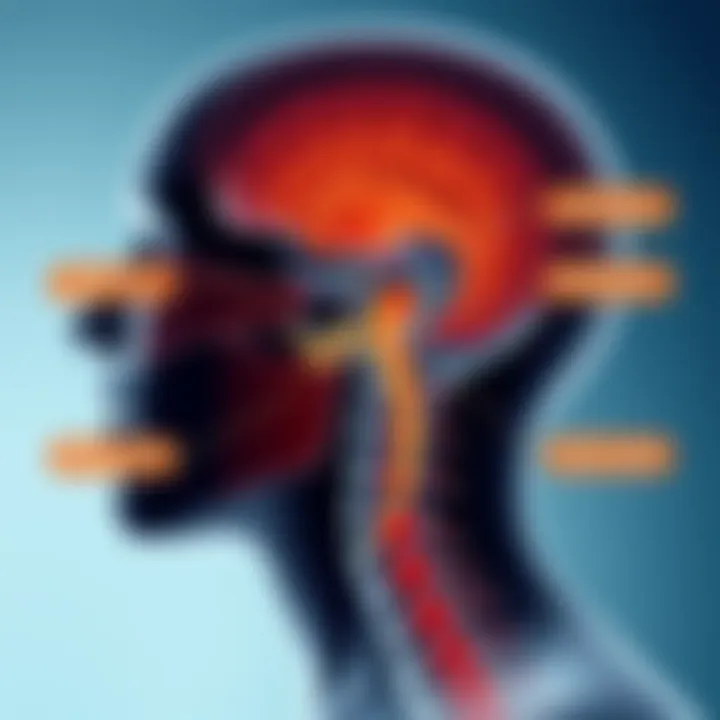
In cases of whiplash or chronic muscle strain, inflammation can lead to swelling around the nerves that are critical for hearing. This can lead to a compounded effect where the individual not only deals with neck pain but also experiences persistent tinnitus. Studies suggest that addressing inflammation through various therapies—like non-steroidal anti-inflammatory drugs (NSAIDs) or gentle physical therapy—could provide relief from both neck pain and associated auditory symptoms.
“Always think like a detective when it comes to your body symptoms; every pain or noise may have its own story.”
Postural Issues
The way we hold our bodies, especially our neck and head, plays a significant role in both neck pain and tinnitus. Poor posture can lead to an imbalance in the cervical spine, increasing the risk of muscular tension and nerve compression. For instance, spending long hours hunched over a computer can create strain that alters spinal alignment, thus impairing nerve function and possibly triggering tinnitus.
Moreover, individuals may find that their tinnitus flares up in certain positions, hinting at a direct correlation between posture and auditory symptoms. Awareness of posture must be a key component in managing neck pain and tinnitus, directing individuals to possibly adapt their workstations or incorporate ergonomic considerations into daily life. The goal is to ensure that the head and neck are aligned properly, reducing strain and its potentially damaging ripple effect toward hearing health.
In summary, understanding the ways in which neck pain can act as a catalyst for tinnitus is crucial. Nerve compression, inflammatory responses, and postural issues present significant pathways through which neck discomfort can give rise to auditory disturbances. Addressing these factors holistically may provide strategic routes for not only alleviating discomfort but also improving auditory health and overall well-being.
Clinical Evaluation of Neck Pain and Tinnitus
When diving into the complex relationship between neck pain and tinnitus, clinical evaluation is a crucial step. It provides a structured approach to identifying the interacting factors that contribute to both conditions. The significance of a thorough assessment cannot be overstated; it helps in pinpointing the specific symptoms patients exhibit and establishes a foundation for effective treatment strategies. This section will explore the various elements of clinical evaluation, the benefits it brings to both patients and healthcare providers, and the key considerations necessary in this nuanced realm.
Symptom Assessment Techniques
To start off, symptom assessment is crucial. Identifying how neck pain manifests and correlates with tinnitus helps in crafting an accurate picture of the patient’s health status. Different techniques can be deployed to assess symptoms effectively:
- Patient Interviews: Simply talking to the patient can yield crucial insights. Inquire about the history of neck pain and the nature of their tinnitus—its onset, duration, and characteristics.
- Standardized Questionnaires: Using tools like the Neck Disability Index or the Tinnitus Handicap Inventory allows for systematic collection of information. These questionnaires can help clinicians gauge the severity and impact of symptoms more objectively.
- Physical Exams: Clinicians can perform specific movements and palpation on the neck to pinpoint areas of tenderness or restricted mobility. Identifying tension in muscles can reveal possible connections to tinnitus.
By utilizing these assessment techniques, healthcare professionals can better understand a patient’s experience, leading to a more personalized treatment plan.
Diagnostic Imaging
While symptoms provide a substantial amount of information, they are often not enough. That's where diagnostic imaging comes into play. Imagery can shed light on underlying issues not visible through physical exams alone. Common imaging techniques include:
- X-rays: Useful for evaluating the alignment of the cervical spine and identifying any degenerative changes.
- MRI Scans: These provide detailed images of soft tissues and can uncover if there are any disc herniations or nerve compressions present that might influence both neck pain and tinnitus.
- CT Scans: Similar to MRI but often faster, these scans can also highlight structural problems in greater detail.
Imaging aids in ruling out other conditions that may present similar symptoms. When neck pain and tinnitus coexist, understanding the structural cause is essential. The more clinicians know, the better they can tailor treatment approaches.
Referral to Specialists
It’s sometimes necessary to hand the case off to specialists to explore further treatment options. If a patient’s evaluation suggests complications beyond general practice—like spinal conditions or intricate neurological ties—a referral might be warranted. Consider referring to:
- Neurologists: For further exploration of auditory pathways, particularly if tinnitus has neurological roots.
- Oto-Rhino-Laryngologists (ENTs): Specialists in ear, nose, and throat conditions can provide insight into the auditory aspects of tinnitus.
- Chiropractors or Physical Therapists: Professionals in these fields can assist with neck-specific issues, often employing hands-on maneuvers to relieve pain and reduce symptoms.
By collaborating with specialists, healthcare providers not only broaden the treatment scope but also enhance the chances of successful symptom management. This integrated approach can lead to better outcomes for the patient.
Understanding the interplay between neck pain and tinnitus requires a nuanced and detailed evaluation. The more precise the diagnosis, the more effective the treatment plan can be crafted.
Treatment Approaches for Neck Pain and Tinnitus
Addressing neck pain and tinnitus requires a multifaceted strategy. The connection between these two conditions suggests a tailored treatment plan that may alleviate symptoms and enhance quality of life. In the following sections, we will explore various treatment approaches focused on the interrelation of neck pain and tinnitus, emphasizing their importance and effectiveness in clinical practice.
Physical Therapy Interventions
Physical therapy plays a significant role in managing both neck pain and tinnitus. Skilled therapists assess posture, movement patterns, and muscle imbalances. They design personalized exercise regimens to strengthen neck muscles, improve flexibility, and promote better alignment.
- Manual Therapy: This involves hands-on techniques to alleviate pain, reduce muscle tension, and restore joint function.
- Stretching Exercises: Targeted stretches can help relieve stiffness and improve range of motion, which might help mitigate tinnitus symptoms.
- Postural Education: Learning about proper posture can help patients avoid positions that exacerbate neck strain, leading to better long-term management of both issues.
Furthermore, research has shown that maintaining a regular physical therapy schedule can lead to sustained improvements. The engagement of patients enhances their understanding of their bodies, fostering proactive management of symptoms over time.
Medications and Pain Management
Addressing neck pain through medication can significantly impact tinnitus management. Over-the-counter pain relievers like ibuprofen or acetaminophen can reduce inflammation in the neck area, which may surprisingly lessen auditory disturbances.
- Prescription Options: In some cases, stronger prescription medications or muscle relaxants may be necessary for acute pain.
- Neuromodulators: Certain drugs target the nervous system and may help reduce the perception of tinnitus.
However, it's crucial for patients to consult with healthcare providers to tailor medication based on their specific symptoms and overall health. Sometimes, adjusting the medication dosage can help find the sweet spot where both neck pain and tinnitus symptoms are manageable.
"While medication can provide relief, it is essential for patients to consider a comprehensive plan involving multiple therapies for the best results."
Complementary Therapies
Complementary therapies offer additional strategies for managing neck pain and tinnitus, enhancing traditional medical practices. Patients often find success through these varied approaches:
- Acupuncture: This ancient practice involves inserting thin needles at strategic points and may help alleviate neck pain and reduce tinnitus severity through neurophysiological mechanisms.
- Chiropractic Care: Spinal adjustments and manipulation can potentially relieve stress on nerve pathways, which may, in turn, affect auditory sensations.
- Mindfulness Techniques: Stress exacerbates both conditions. Techniques like meditation or yoga can play a vital role in reducing overall tension and improving mental well-being.


Patients should explore these options with their healthcare providers, ensuring that any complementary therapies are safe and suitable for their individual health situations.
Through these treatment approaches, patients can draw upon a variety of resources aimed at addressing the intricate relationship between neck pain and tinnitus. A comprehensive, tailored plan considering personal experiences and symptoms is key to improving one's overall health and comfort.
Long-term Management Strategies
Managing neck pain and tinnitus can feel like navigating a labyrinth without a map. Establishing long-term management strategies is essential because it can significantly influence a person's quality of life. These strategies don’t just focus on addressing immediate symptoms; they aim to help individuals manage these conditions sustainably, reducing the likelihood of flare-ups and enhancing overall wellness.
Lifestyle Modifications
When it comes to long-term management, lifestyle modifications often serve as the cornerstone. Simply put, small changes in daily routines can lead to substantial improvements in neck pain and tinnitus. Here are a few strategies that may help:
- Exercise Regularly: A consistent exercise routine strengthens neck muscles, improves posture, and enhances blood flow, which can reduce pain levels.
- Ergonomic Adjustments: Making adjustments at home or in the workplace, such as using a chair that supports the spine or computer screen positioned at eye level, can minimize strain on the neck.
- Stress Management: Techniques like yoga, meditation, or deep breathing can help mitigate stress, which often exacerbates both neck pain and tinnitus.
- Healthy Diet: Incorporating anti-inflammatory foods, like fatty fish, nuts, and green leafy vegetables, could help reduce bodily inflammation and pain severity.
Implementing even one or two of these modifications could prove beneficial.
Continuous Monitoring
Continuous monitoring of symptoms holds a significant role in managing neck pain and tinnitus over the long term. Keeping tabs on changes can provide valuable insights into what works and what doesn’t. Patient journals or apps can be especially helpful. Here’s what one might consider tracking:
- Pain Levels: Regularly note the intensity and frequency of neck pain or tinnitus symptoms.
- Possible Triggers: Document activities, foods, and environmental factors that might worsen symptoms.
- Response to Treatment: Record how different treatments (like medication, therapy, or lifestyle changes) affect both neck pain and tinnitus.
This proactive approach not only empowers individuals to take charge of their well-being, but it also assists healthcare providers in tailoring more effective treatment plans.
Education and Support
Finally, education and support form another pillar in the long-term management of neck pain and tinnitus. Understanding these conditions can demystify the experience. By integrating education into their management strategies, patients can experience multiple benefits:
- Knowledge is Power: Gaining a comprehensive grasp of neck pain and tinnitus can lead to quicker symptom recognition and better communication with healthcare providers.
- Support Groups: Engaging with support networks can provide shared experiences and emotional relief. People often find comfort in knowing they are not alone in their struggles. Forums, like those on Reddit, can be invaluable in connecting with others facing similar challenges.
- Workshops and Seminars: Participating in educational sessions or classes focusing on pain management strategies can enhance knowledge and skills.
By embracing education and support networks, one can transform a seemingly daunting journey into a manageable experience filled with strategies and resources for lasting improvement.
Research and Future Directions
The exploration of neck pain and its connection to tinnitus is an area that brims with potential for further investigation. The intricacies of both conditions require a nuanced understanding, as each can influence the other. Future research is vital to unlocking this relationship, offering hope for effective treatment strategies. Moreover, ongoing studies can reveal the underlying mechanisms linking cervical health to auditory symptoms, paving the way for innovative interventions.
In the current landscape, researchers are focusing on several crucial elements:
- Pathophysiological Mechanisms: Understanding how neck pain might contribute to tinnitus is paramount. Studies have shown that neck injuries can lead to changes in the central nervous system, potentially altering signal processing in the auditory pathways. By delving deeper into these connections, researchers can help clarify how pain and auditory experiences are interwoven.
- Patient-Centered Outcomes: Collecting comprehensive data on how individuals experience both neck pain and tinnitus can guide future therapeutic approaches. Utilizing methods such as qualitative interviews and standardized surveys could provide insights that quantitative data alone may miss.
- Cross-Cultural Examination: The prevalence and presentation of neck pain and tinnitus might differ across cultures. Investigating these variations can illuminate broader health patterns and inform culturally sensitive treatment models.
It's clear that as we immerse ourselves in the specifics of neck pain and tinnitus, the potential for groundbreaking discoveries grows.
"Investigating the roots of neck pain and tinnitus could pave the way for strategies that not only alleviate symptoms but also enhance life quality for countless individuals."
Emerging Studies
Research initiatives are springing up around the globe, often fueled by advances in technology and a growing awareness of holistic health approaches. Notably, recent studies have examined the role of cervical spine manipulation in alleviating tinnitus symptoms. Researchers now realize that addressing neck pain not just as an isolated issue, but as part of a broader health context, could yield promising outcomes. For instance, a 2022 study published in The Journal of Pain Research highlighted a significant reduction in tinnitus severity after a structured physical therapy program aimed at neck health. This adds another layer to the understanding of how interconnected our bodily systems are and emphasizes the importance of further rigorous studies.
Potential Innovations in Treatment
As research unfolds, new treatment modalities are emerging, seeking to bridge the gap between managing neck pain and reducing tinnitus. Innovations such as neuromodulation techniques are gaining traction. These methods aim to reset neural pathways that may play a role in both conditions. For example, the use of transcranial magnetic stimulation (TMS) shows promise in altering tinnitus perception, while simultaneously addressing cervical strain through integrated approaches. Additionally, the incorporation of virtual reality (VR) therapy for relaxation and visualization may also benefit patients battling both neck discomfort and auditory disturbances. This creative thinking pushes the boundaries of traditional treatment, encouraging a multifaceted exploration of symptom management.
Interdisciplinary Approaches
Handling the intertwined nature of neck pain and tinnitus calls for an interdisciplinary approach. Collaboration between physiotherapists, audiologists, chiropractors, and psychologists can foster holistic care plans tailored to individual needs. Combining expertise allows for a comprehensive assessment that addresses all dimensions of the patient's experience.
Establishing partnerships between various healthcare professionals, for instance, can lead to customized treatment plans incorporating physical rehabilitation strategies alongside cognitive-behavioral therapy aimed at tinnitus management. This synergy could potentially enhance recovery rates and improve life quality for patients navigating the dual challenges of neck pain and tinnitus. By fostering open communication across disciplines, we can create an environment where innovative solutions thrive.
The End
The importance of understanding the intricate relationship between neck pain and tinnitus cannot be overstated. Each individual, whether they are healthcare practitioners or patients, has unique experiences and symptoms that warrant a tailored approach. Here, we emphasize the need for a comprehensive grasp of both conditions to enhance treatment efficacy and improve the quality of life.
Summarizing Key Insights
In synthesizing the content of this article, it's clear that the link between neck pain and tinnitus is multi-faceted. The primary insights include:
- Anatomical Connections: The cervical spine's health directly influences auditory functions, as they share neurological pathways.
- Common Mechanisms: Nerve compression and inflammatory responses are critical factors causing tinnitus, rooted in neck issues.
- Integrated Treatment Plans: Addressing neck pain can significantly alleviate tinnitus symptoms. Therapy modalities, including physical therapy and interdisciplinary approaches, offer considerable promise.
"Understanding the connection is pivotal not only for alleviating symptoms but also for preventing further complications."
These insights underline how crucial it is for patients experiencing both neck pain and tinnitus to pursue thorough evaluations and consider holistic management strategies.
Importance of Collaboration in Healthcare
Collaboration across various sectors of healthcare is vital in managing conditions like neck pain and tinnitus. This ensures a patient’s journey through diagnosis and treatment is smooth and efficient. Some considerations include:
- Interdisciplinary Teams: Involving physical therapists, audiologists, and pain specialists facilitates comprehensive care.
- Communication: Open dialogue between healthcare providers guarantees that all aspects of a patient’s health are considered, reducing the chances of oversight.
- Patient Education: Empowering patients with knowledge about their conditions promotes active participation in their recovery process.