
Kinesio Taping Techniques for Tennis Elbow Relief


Intro
Tennis elbow, clinically known as lateral epicondylitis, is a common ailment that can turn the simplest activities into a trial. The pain often flares up around the outer part of the elbow, making gripping or lifting heavy objects daunting tasks. Whether you're an aspiring athlete, a seasoned player, or just someone looking to maintain a healthy lifestyle, understanding the mechanisms behind this condition is crucial. In recent years, kinesio taping has emerged as a go-to method for not just athletes, but anyone facing the discomfort of tennis elbow.
Kinesio taping, in essence, is a method where elastic therapeutic tape is applied to the skin to alleviate pain and disability. Surprisingly, this technique draws on an intricate understanding of body mechanics and physiology, aiming to provide support without restricting movement. It could be said that it acts almost like a gentle hand that assists your muscles and joints, guiding them through their natural motions.
This guide will delve into the underpinnings of kinesio taping for tennis elbow. We will arm you with pertinent insights, from detailing the physiological principles that make this technique effective, to laying out the step-by-step processes to apply the tape properly. Alongside this practical knowledge, we will also reflect on clinical outcomes, and discuss some common myths that often swirl around this topic. By the end, you will not only understand how to use kinesio tape effectively but also appreciate its role as part of a holistic treatment plan.
So, let’s dive in and uncover the intricacies of this therapeutic intervention.
Understanding Tennis Elbow
Tennis elbow, medically referred to as lateral epicondylitis, is a common ailment that one's not necessarily limited to athletes, as its grip can extend to anyone who repetitively engages their forearm muscles. When exploring kinesio taping as a potential remedy, it's crucial to have a solid grasp of what tennis elbow entails. Starting with an understanding of the condition, one gains perspective on how kinesio tape might alleviate discomfort and promote healing.
Definition and Symptoms
Tennis elbow is defined as pain or discomfort located on the outer part of the elbow, arising from inflammation of the tendons that connect the forearm muscles to the outside of the elbow. People often experience a dull ache that can intensify with repetitive movements or overuse. Symptoms may include:
- Pain or burning sensation on the outside of the elbow
- Weakness in the forearm
- Difficulty grasping or holding objects
- Pain when extending the wrist or lifting items
To illustrate, think of that moment after a long day of straining your arm with garden work; the subtle yet persistent pain you feel in your elbow might just be your warning sign from the body that you might have stepped into the realm of tennis elbow.
Causes and Risk Factors
Several factors can contribute to the onset of tennis elbow. The most common causes include repetitive wrist and arm movements, which are typical in playing sports like tennis, hence the name. However, it’s important to recognize that activities such as typing, painting, carpentry, and even playing certain musical instruments can lead to similar strain and trigger the condition.
Key risk factors include:
- Age: Most commonly affects individuals aged 30 to 50.
- Occupation: Jobs requiring repetitive motion increase risk.
- Sports: Tennis players, in particular, are vulnerable, especially if their technique is flawed.
- Weight: Obesity can place additional strain on joints.
Understanding these causes prompts better preventive measures and shows the importance of recognizing personal risk, creating opportunities for proactive solutions before discomfort escalates.
Diagnosis of Tennis Elbow
Diagnosing tennis elbow typically involves a thorough clinical evaluation by a healthcare professional. The process may include:
- Patient History: Discussing symptoms and the activities that contribute to elbow pain.
- Physical Examination: A doctor may palpate the elbow to identify specific areas of tenderness and determine the range of motion.
- Imaging Tests: In certain cases, X-rays or MRIs might be requested to rule out other conditions such as arthritis or fractures.
By following this diagnostic pathway, individuals seeking treatment can receive a clear and accurate assessment. Early intervention often leads to better outcomes, allowing for more effective application of techniques like kinesio taping.
Prolusion to Kinesio Taping
Kinesio taping has emerged as a popular therapeutic tool that captures attention within the realm of sports medicine and physical rehabilitation. Understanding this innovative tape can enhance outcomes for individuals suffering from conditions like tennis elbow. The primary appeal of kinesio taping lies not only in its potential to alleviate discomfort but also in its overall contribution to functional performance. Learning about its fundamentals is crucial for healthcare professionals, athletes, and anyone interested in optimizing their recovery process.
By applying kinesio taping, one can experience immediate support, which might empower them to regain mobility and promote more active lifestyles. This section outlines the essential aspects of kinesio taping, including its historical background, guiding principles, and the physiological mechanisms that underpin its effectiveness. By dissecting these components, readers can gain a deeper appreciation of kinesio taping as an intervention.
History of Kinesio Taping
Kinesio taping is not an off-the-shelf phenomenon; rather, it has a rich history rooted in the late 1970s. Developed by Dr. Kenzo Kase, a Japanese chiropractor, the method was conceived out of a desire to provide a drug-free solution for managing pain and enhancing mobility. Dr. Kase envisioned a tape that could comprehensively mimic the elasticity of human skin, allowing for enhanced support while promoting healing.
Over time, the practice of kinesio taping has garnered global recognition. Its application has gradually shifted from a niche treatment to a widespread method utilized by sports professionals and rehabilitation specialists alike. As the decades rolled by, the evidence supporting its efficacy continued to grow. Kinesio taping became a mainstay at major sporting events, including the Olympics, where elite athletes began showcasing this therapeutic technique.
Principles of Kinesio Taping
Kinesio taping operates on several foundational principles, which are designed to support the body while facilitating its natural healing processes. Unlike conventional athletic tape, which restricts movement, kinesio tape is designed to encourage mobility.
- Elasticity: Kinesio tape’s stretchy design allows it to move with the body, providing support without limiting motion.
- Sensory Input: The tape stimulates the skin’s sensory receptors, which can lead to reduced pain perception and enhanced proprioception.
- Circulation Enhancement: Proper application may facilitate better blood flow to the affected area, promoting healing and reducing swelling.
These principles fundamentally underlie the effectiveness of kinesio taping, making it a versatile option for managing various musculoskeletal issues, including tennis elbow.
Mechanism of Action
The mechanism of action behind kinesio taping is nuanced. When applied correctly, the tape lifts the skin slightly, creating space between the skin and underlying tissues. This elevation has several critical effects that contribute to pain relief and recovery:
- Reduced Pressure: The lifting action can relieve pressure on pain receptors within the skin, subsequently diminishing sensations of discomfort.
- Facilitated Lymphatic Drainage: The tape aids in reducing lymphatic congestion, which can be a significant contributor to swelling associated with injuries.
- Enhanced Muscle Function: By supporting muscle function, kinesio tape can improve overall biomechanics. This translates to better movement patterns and potentially less strain on the elbow joint.


Together, these effects provide a comprehensive approach to managing tennis elbow and other soft tissue injuries, bridging the gap between therapeutic interventions and active rehabilitation.
Application Techniques of Kinesio Taping
The application techniques of kinesio taping stand paramount in the realm of therapeutic interventions, especially when addressing tennis elbow. This technique, through its specific application, can significantly influence the rehabilitation process in individuals suffering from this ailment. Each taping method is not just an arbitrary placement of tape; it’s a thoughtful strategy aimed at enhancing performance while minimizing pain during recovery. Mastery of these techniques allows healthcare professionals to provide a holistic support system for the affected arm. With this understanding, we can delve deeper.
Materials Needed
To effectively apply kinesio tape, one must gather some essential materials. The right tools and supplies are crucial to ensure proper adherence and sustainability. Here are some of the necessary items:
- Kinesio Tape: Available in various widths and elasticity, choose a type that complements the application technique you plan to use.
- Scissors: For cutting the tape to appropriate lengths before starting the application.
- Alcohol Swabs: These help in cleaning the skin to ensure better adhesion of the tape.
- Measuring Tape: Useful for proper length measurements of the kinesio tape based on individual needs.
- Skin Preparation Spray (optional): Some practitioners prefer using it to further enhance adhesion.
It’s imperative to ensure the materials are of high quality; inferior tape or inadequate tools can undermine the overall effectiveness of the kinesio taping treatment.
Step-by-Step Application Process
Applying kinesio tape effectively involves a step-by-step approach that requires attention to detail. Here’s a simplified outline that healthcare professionals may follow:
- Clean the Skin: Ensure that the area around the elbow is devoid of oils and perspiration, using alcohol swabs to facilitate adhesion.
- Measure and Cut the Tape: Measure the required length for your taping technique, generally from mid-forearm to mid-upper arm. Cut strips accordingly, rounding the edges to prevent peeling.
- Positioning: Depending on the movement being targeted, the tape can be applied in two main styles:
- Applying the Tape: Starting from one end, anchor the tape without stretching it. Gradually apply it until reaching the other end while ensuring the correct tension is maintained.
- Smooth the Tape Out: Once placed, rub the tape gently to activate the adhesive and ensure that it adheres well without wrinkles.
- Check the Movement: Finally, ask the patient to move their arm to assess comfort levels and adjust if needed.
- Muscle Application: Place the tape with moderate tension over the muscle belly, allowing it to lift the skin and improve circulation.
- Ligament or Joint Support: Apply the tape with minimal tension around the joint or ligaments to provide support.
Successful application not only relieves pain but also encourages proper joint mechanics.
Common Taping Techniques for Tennis Elbow
Multiple taping techniques can be employed based on individual needs and preferences. Here are some common approaches:
- Lateral Support Tap: This method provides support to the outer elbow and is particularly effective for alleviating pain caused by lateral epicondylitis.
- Crossing Technique: Taping in a crisscross pattern can help in redistributing load and reducing strain on the elbow joint.
- Fan Technique: This involves multiple strips fanning out from a central point, which can aid in stimulating local circulation and reducing inflammation in the affected area.
Each of these techniques can be tailored to individual requirements based on pain levels and functional capacity. Understanding the unique biomechanics of the patient aids in selecting the appropriate taping strategy.
Additionally, practitioners should keep in mind the limitations of kinesio taping. Although helpful, it's most effective when combined with other therapeutic modalities like physical therapy, ensuring a well-rounded approach to managing tennis elbow.
Clinical Efficacy of Kinesio Taping
Understanding the clinical efficacy of kinesio taping specifically for tennis elbow is crucial for both practitioners and patients. This technique has gained traction not just as a stylish trend in sports but as a legitimate therapeutic intervention. Evaluating its effectiveness involves digging into research, clinical observations, and comparisons with alternative methods. This information serves a pivotal role in establishing credibility and guiding treatment decisions.
Research Evidence and Findings
Numerous studies have been conducted to evaluate the effectiveness of kinesio taping in alleviating the symptoms associated with tennis elbow, or lateral epicondylitis. A systematic review, for instance, analyzed multiple trials and found that patients who received kinesio taping reported noticeable improvements in pain reduction when compared to those who did not receive this form of treatment.
- Key Findings:
- One meta-analysis indicated that kinesio taping can lead to a significant decrease in pain levels during daily activities among tennis elbow patients.
- Another study highlighted that participants experienced improvements in physical function, marking a clear positive outcome associated with the approach.
However, while some research showcases promising results, others suggest the benefits might not be as significant as anticipated. The variability in outcomes often hinges on factors including the tape's application technique, patient characteristics, and the adoption of other concurrent treatment methods.
Clinical Observations
From a clinical perspective, taping can appear to be a game changer for many patients. Healthcare professionals working in rehabilitation settings have often observed that kinesio tape offers subjective benefits. This anecdotal evidence holds weight, especially for patients keen on active participation in their recovery.
- Benefits Noted in Clinical Settings:
- Patients report a sense of support and stability around the elbow, which can lead to increased confidence in movement.
- Many express feeling less hindered in performing day-to-day tasks, which significantly improves their quality of life.
Interestingly, the psychological benefits linked with kinesio taping should not be overlooked. The visual presence of the tape can serve as a psychological cue, reminding patients to maintain proper posture and avoid overexertion, hence preventing further injury.
Comparison with Other Treatment Modalities
When stacking kinesio taping against other conventional therapies for tennis elbow, such as corticosteroid injections or physical therapy, it becomes clear that each method brings its own set of pros and cons.
- Contrasting Elements:
- While corticosteroids might offer quicker relief, they come with a range of side effects that can deter patients from long-term use.
- On the contrary, kinesio taping is relatively non-invasive, presenting fewer risks and allowing for ongoing physical activity.
However, combining kinesio taping with physical therapy often shows the most promise. Integrating these treatments can maximize recovery, helping patients regain strength and functionality. In fact, many practitioners advocate using kinesio taping as a complementary approach rather than a standalone solution.
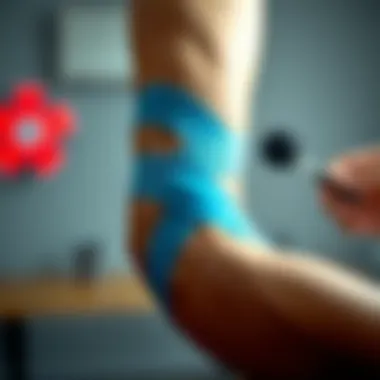

In essence, while the research shows mixed results, the collective clinical observations imply a valuable place for kinesio taping in the treatment landscape of tennis elbow.
In summary, assessing the clinical efficacy of kinesio taping isn't a straightforward task; it requires looking at a kaleidoscope of evidence that intertwines science with real-world experiences.
Integrating Kinesio Taping into Treatment Plans
Integrating Kinesio taping into treatment plans for tennis elbow is a vital aspect that can enhance recovery and patient outcomes. It is not just a standalone treatment but one that complements a broader rehabilitation strategy. Kinesio taping introduces specialized support to the affected area while allowing a degree of mobility that encourages patients to remain active. This is crucial, as prolonged rest can lead to stiffness and loss of function. By weaving taping into the fabric of a comprehensive approach, health professionals can tailor interventions to meet individual needs, ultimately improving efficacy.
Combining with Physical Therapy
Physical therapy is often the bedrock of treatment for tennis elbow. Integrating Kinesio taping with physical therapy can amplify benefits significantly. When a physical therapist applies taping techniques, it can aid in reducing swelling and pain while enhancing the effectiveness of other therapeutic exercises.
For instance, a therapist might choose to tape the elbow while guiding a patient through eccentric exercises designed to strengthen the extensor tendons. The tape may offer just the right support, allowing patients to perform movements that they might otherwise find too painful.
In practice, a clinician could recommend a combination of direct taping on the extensor muscles with modalities like ultrasound or electrical stimulation to maximize healing. The synergy between these methods may yield better outcomes than using any single intervention alone.
Complementary Treatments
When considering treatment for tennis elbow, Kinesio taping should be viewed as part of a holistic approach, accompanied by complementary treatments. Options such as acupuncture, ergonomic adjustments, or even steroid injections, can provide relief while the tape offers active support.
These complementary strategies work best when harmoniously aligned with tape application. For example, after a session of acupuncture, applying Kinesio tape over the treated area may enhance the effects of pain relief and optimize tissue recovery. Additionally, addressing ergonomic aspects, like evaluating a patient's grip or workstation setup, can play a significant role in long-term recovery.
- Ergonomic tools: Consider using tools like padded grips or adjustable workstations to alleviate strain.
- Cold therapy: After physical activity, applying ice can help reduce inflammation, further benefiting from the support of Kinesio tape.
The nexus between these treatments underscores the idea that recovery often lies in multifaceted approaches rather than a singular focus.
Long-term Management Strategies
Maintaining progress after the initial recovery phase is paramount for individuals suffering from tennis elbow. Long-term management strategies should include the continued use of Kinesio taping as needed based on activity level and symptoms.
Educating patients about self-taping at home can foster independence while ensuring they remain prepared for any sudden flare-ups. Moreover, continuous assessment of the elbow through regular follow-ups allows for adjustments in the treatment protocol. This could entail updated taping techniques, modifications in physical exercises, or even revisiting the integration of other modalities as the patient progresses.
Additionally, focusing on lifestyle adjustments, such as incorporating daily stretches or strengthening exercises, can further support recovery and decrease the likelihood of future exacerbations. Health professionals should encourage patients to set realistic goals and milestones, allowing them to track their improvement incrementally.
It’s not just about healing the injury; it’s about fostering resilience and preventing future issues.
Precautions and Considerations
When it comes to kinesio taping for tennis elbow, understanding precautions and considerations is crucial. The goal is not just to apply tape and hope for the best; rather, it is about ensuring the safety and efficacy of this therapeutic intervention. Proper knowledge helps avoid complications, ensure proper application, and facilitate optimal recovery.
Potential Risks and Side Effects
While kinesio taping is generally considered safe, there are potential risks and side effects that practitioners and patients must be aware of. Sometimes, individuals may experience allergic reactions to the adhesive used in the tape, leading to skin irritation or rashes. This is particularly prevalent among those with sensitive skin or a history of allergies.
Moreover, improper application can lead to further discomfort or injury. For example, if the tape is applied too tightly, it may restrict blood flow, causing numbness or tingling in the arm. This is why it’s vital for healthcare professionals to be well-trained in taping techniques. Before application, assessing the individual's skin condition and ensuring adequate space for blood flow is important.
Common Signs of Side Effects
- Redness or rash at the tape site
- Itching or discomfort during or after application
- Pain or increased discomfort in the elbow or forearm
If any of these symptoms occur, it is advisable to remove the tape and consult with a healthcare provider. A careful approach can significantly minimize risks and ensure a positive experience with kinesio taping.
Contraindications for Use
In addition to risks, certain contraindications exist that limit the use of kinesio taping for tennis elbow. Identifying these circumstances is essential to avoid worsening the patient's condition. First and foremost, individuals with open wounds, active infections, or severe skin conditions should avoid kinesio taping. Applying tape on damaged skin can lead to complications such as infection or delayed healing.
Other contraindications to consider include:
- Circulatory problems: Individuals with conditions affecting blood circulation should be cautious about using kinesio tape, as any restriction can exacerbate existing issues.
- Fractures or severe injuries: If the elbow or surrounding area shows signs of fracture, using kinesio tape is often inappropriate until the injury is properly assessed and treated.
- Recent surgeries: Post-operative patients should consult their healthcare provider before using kinesio tape, particularly around surgical sites.
- Known allergies: Any individual with a history of sensitivities to adhesives used in kinesio taping should consider alternatives.
It's prudent to consult a healthcare professional before starting kinesio taping, especially if any medical conditions are present.
In summary, while kinesio taping presents various benefits for managing tennis elbow, practitioners and patients alike must be mindful of the associated risks and contraindications. Doing so can foster safer practices and enhance treatment effectiveness, steering clear of unexpected outcomes.
Addressing Common Myths about Kinesio Taping
Exploring the world of Kinesio taping, especially in the context of tennis elbow, often leads to tangled webs of misinformation. Addressing these myths is crucial for both practitioners and patients. Misconceptions can hinder recovery, mislead treatment strategies, and create unnecessary skepticism about a valuable therapeutic technique. This section aims to shine a light on these misunderstandings, ensuring both clarity and informed decision-making regarding Kinesio taping.


Debunking Misconceptions
When discussing Kinesio taping, it’s easy to fall prey to myths that paint an inaccurate picture of its efficacy and implementation. Here are a few common misconceptions that need to be unraveled:
- Myth 1: Kinesio tape can cure tennis elbow on its own. While it offers support and alleviates discomfort, Kinesio taping should be part of a broader treatment plan—think of it as a tool in the toolbox, not a magic wand.
- Myth 2: Anyone can apply kinesiology tape perfectly. Simply slapping on a strip of tape isn't sufficient; proper application techniques and understanding of anatomy hold significant weight. There’s a learning curve, and engaging a trained professional maximizes effectiveness.
- Myth 3: Kinesio taping is only suitable for athletes. This assumption overlooks the fact that tennis elbow affects various individuals, including office workers or those engaged in repetitive tasks.
- Myth 4: Kinesio tape will always prevent injuries. While it can provide support, it does not guarantee protection from subsequent injuries. This is why preventive measures and proper technique are also vital.
*“Belief in these myths can lead to a bitter pill to swallow—a potential setback in treatment.
Case Studies and Practical Examples
The realm of Kinesio taping is often murky with theories and anecdotal evidence. In this section, we will dissect the importance of case studies and practical examples in our understanding of Kinesio taping for tennis elbow. These insights not only help clarify how effective kinesio taping can be but also illustrate its adaptability across various scenarios.
Evidence from real-world applications serves several purposes. Firstly, it bridges the gap between theory and practice. Healthcare professionals, therapists, and patients benefit from seeing how Kinesio taping has yielded successful—sometimes astonishing—results for those suffering from tennis elbow. Secondly, case studies present a narrative that often resonates better than abstract data. They highlight individual journeys, showcasing challenges and breakthroughs, which can inspire confidence in the method.
Considerations regarding the documentation of case studies include the variations in individual responses to treatment, the context in which the tape is applied, and any accompanying therapies that might play a role in recovery. These factors enrich our understanding and allow for a more nuanced perspective on the efficacy of Kinesio taping, highlighting its potential while acknowledging limitations.
Successful Outcomes
One of the clear advantages of Kinesio taping, as evidenced in numerous case studies, lies in its ability to provide relief from pain and enhance functional movement. Take, for example, a reported case involving a semi-professional tennis player named Jake. Jake had been struggling with persistent tennis elbow that kept him off the circuit for several months.
After a thorough assessment, his physiotherapist applied Kinesio tape using the “Y method”, specifically targeting the muscles around the elbow. Within a week, Jake reported significant pain reduction and improved grip strength. By week two, he was back on the court, albeit cautiously. He gradually regained full functionality, crediting the tape as a pivotal component of his recovery. Such documented instances confirm that Kinesio taping can serve as an effective intervention, particularly when combined with rehabilitation exercises.
Key takeaways from successful outcomes include:
- Reduced Pain: Many patients report a decrease in pain after application, allowing for a smoother transition back to normal activities.
- Enhanced Stability: Kinesio tape provides support without restricting movement, proving invaluable for athletes.
- Increased Confidence: As pain subsides and mobility improves, patients gain the confidence to resume their routines.
Challenging Cases
Not every case is smooth sailing. Some situations demonstrate the limitations and challenges associated with Kinesio taping. Consider the situation of Sarah, an accountant who began taping her elbow after experiencing tennis elbow associated with repetitive work at her desk. While Kinesio taping improved Sarah's pain levels, it did not fully resolve her symptoms.
In Sarah's case, it became clear that addressing her ergonomic setup was just as crucial. The tape alleviated some discomfort, but without modifying her workstation and implementing a targeted rehabilitation program, it was only a band-aid solution. This highlights an essential lesson: Kinesio taping alone is not a silver bullet. It works best when integrated into a broader treatment plan that includes lifestyle modifications and specific exercises.
Key considerations from challenging cases:
- Missing the Bigger Picture: Focusing solely on taping without addressing underlying causes can lead to inadequate results.
- Variability in Response: Individual differences in anatomy and lifestyle can impact the effectiveness of the tape.
- Importance of Multidisciplinary Approach: Combining taping with other interventions often yields the best outcomes.
Both successful outcomes and challenging cases underscore the delicate nature of treating tennis elbow with Kinesio taping. While promising, the technique's efficacy can vary widely based on individual circumstances and the overall treatment strategy employed. Thorough assessments and personalized plans remain paramount in navigating recovery effectively.
Further Research Directions
The importance of further research into kinesio taping for tennis elbow cannot be overstated. As methods in sports therapy continuously evolve, understanding the full scope of kinesio taping’s effectiveness and exploring uncharted territories in its application can provide significant benefits. This section will focus on several key elements including exploration, adaptability, and collaboration that can lead to advancements in treatment methodologies.
Exploring New Applications
Kinesio taping has traditionally been recognized for its role in alleviating discomfort and enhancing recovery in tennis elbow. However, the potential applications extend beyond mere pain relief. New studies should aim to investigate its efficacy in various settings:
- Injury Prevention: By discovering how kinesio taping might help in preventing injuries before they occur, athletes could maintain a higher level of performance while potentially prolonging their careers.
- Rehabilitation Procedures: There is room to examine how kinesio taping can be integrated into broader rehabilitation strategies, particularly in combination with strength training or range-of-motion activities.
- Specific Populations: Research could focus on diverse groups such as children, elderly athletes, or professionals in manual labor to determine whether adaptations in taping techniques are required for different patient profiles.
Not only would this broaden the understanding of kinesio taping, but it would also provide healthcare professionals with a wider toolbox for treatment approaches.
Future Studies and Clinical Trials
Future studies and clinical trials are essential if we wish to grasp the nuanced effects of kinesio taping with scientific rigor. The following should be considered:
- Longitudinal Studies: Conducting long-term studies will help in observing the sustained effects of kinesio taping over time, including any changes in patient outcomes as therapy progresses.
- Control Groups: Implementing comprehensive control groups in trials can enhance credibility. By comparing results with alternative treatments like traditional physiotherapy or other modalities, we can establish a clearer picture of where kinesio taping stands among therapeutic options.
- Quality of Life Assessments: Future research should not solely focus on physical metrics but also assess how kinesio taping impacts overall quality of life for patients. Subjective well-being is as crucial as objective measurements in understanding the full impact of treatment methods.
Culmination
In the world of sports and physical therapy, kinesio taping has emerged as a potential game-changer, particularly for individuals grappling with tennis elbow. The importance of this topic lies not just in understanding how kinesio taping works, but also in recognizing its multifaceted role within a comprehensive treatment approach. One key element of this method is its ability to alleviate pain while promoting functional recovery. Unlike traditional taping techniques, kinesio taping allows for a greater range of motion and supports muscle function, making it an attractive option for athletes and active individuals.
Moreover, the benefits of kinesio taping extend beyond mere symptom relief. Integrating this therapeutic approach into a treatment plan can enhance overall recovery outcomes. By combining it with physical therapy and other complementary treatments, patients often find a more effective pathway towards regaining strength and improving mobility. This holistic approach not only addresses the immediate concerns associated with tennis elbow but also fosters long-term management strategies that can prevent recurrence.
However, caution must be exercised. Practitioners need to understand the limitations and potential risks associated with kinesio taping, including contraindications and effective application techniques. As this article has illustrated, a thorough grasp of these considerations ensures that practitioners can apply kinesio taping safely and effectively.
Summary of Key Points
- Kinesio taping can significantly relieve pain and enhance muscle function for those with tennis elbow.
- This method supports a greater range of motion compared to conventional taping.
- Effective integration with physical therapy and other treatment modalities is essential for optimal outcomes.
- Awareness of the risks and contraindications is vital for safe application.
Final Thoughts on Kinesio Taping
In summary, kinesio taping presents an intriguing therapeutic option for individuals dealing with tennis elbow. The physiological basis of this technique, coupled with its application methods, emphasizes the importance of practical knowledge among healthcare professionals. As research continues to evolve, it becomes evident that kinesio taping is more than just a trend; it's a legitimate tool in the arsenal against musculoskeletal discomfort. While it can be a boon for many, understanding the individual nuances and crafting personalized treatment plans are critical.
As you consider the implications of this treatment, remember to stay informed, and assess each case individually. By doing so, you enhance your effectiveness as a practitioner and contribute to the broader understanding of how kinesio taping can play a pivotal role in sports rehabilitation and therapeutic practices.