Chinese Herbs for Ovarian Cyst Management: An Insight
Intro
The exploration of Chinese herbs in the management of ovarian cysts offers a unique approach that integrates ancient wisdom with contemporary healthcare. Ovarian cysts are fluid-filled sacs that can form in the ovaries and, while often benign, can lead to a myriad of issues for women, ranging from discomfort to more serious complications. Understanding how these herbal remedies work involves delving into the principles of Traditional Chinese Medicine (TCM), which views health as a balance of energies and focuses on treating the root causes of ailments rather than merely the symptoms.
Keywords and Relevance
In this discussion, key terms such as holistic care, herbal remedies, and TCM principles will appear frequently as they form the backbone of this narrative. The relevance of this topic stretches beyond mere curiosity; with an increasing interest in natural treatments, understanding how Chinese herbs can serve as a complementary approach to managing ovarian cysts is essential for women seeking alternatives to conventional methods. The aim is not only to manage symptoms but also to foster a deeper understanding of one's body and health.
Additionally, collaboration with healthcare providers remains paramount in ensuring that any approach, herbal or otherwise, is safe and suitable for individual health needs. A harmonious blend of traditional knowledge and modern medical practices can often provide the best outcomes for those dealing with ovarian cysts.
Foreword to Ovarian Cysts
Ovarian cysts are a common concern among women, drawing attention due to their potential impact on reproductive health. Understanding ovarian cysts is crucial, as they can affect women at different life stages, from adolescence to menopause. The awareness of their existence not only assists in timely diagnosis but also paves the way for effective management strategies, including the integration of traditional remedies such as Chinese herbs.
Definition and Types of Ovarian Cysts
Ovarian cysts are fluid-filled sacs that develop on the ovaries. The primary types include:
- Functional cysts: These are the most common and usually harmless, arising during the menstrual cycle.
- Pathological cysts: These may develop due to other health issues, including endometriosis or tumors.
- Dermoid cysts: These can contain various tissues like hair or skin.
- Endometriomas: Typically found in women with endometriosis, these cysts can cause pain and reproductive issues.
Recognizing the distinction between these types aids women in understanding their symptoms and seeking appropriate guidance.
Prevalence and Demographics
Ovarian cysts are prevalent among women of reproductive age. Studies indicate that about 10% of menstruating women will experience them at some point. The likelihood increases with age, making it essential for health education and awareness in various demographics. Women from different ethnic groups and socioeconomic backgrounds may experience varying rates of occurrence, indicating a complex interplay of genetic, environmental, and lifestyle factors.
Symptoms and Diagnosis
Symptoms of ovarian cysts can range from none at all to severe discomfort. Some common signs include:
- Pelvic pain: Often experienced during menstruation or intercourse.
- Changes in menstrual cycle: Irregularities may indicate cysts.
- Abdominal bloating: Not uncommon, especially if the cyst grows.
Diagnosis typically involves pelvic examinations and imaging techniques like ultrasound. The subtleties of these symptoms can sometimes make diagnosis challenging, underlining the necessity for thorough medical evaluations.
"Awareness of symptoms is the first step in addressing ovarian health issues effectively."
Understanding ovarian cysts lays the groundwork for further exploration of how traditional remedies, particularly Chinese herbs, can support women's health management in this realm.
Understanding Traditional Chinese Medicine
Traditional Chinese Medicine, often referred to as TCM, offers a comprehensive approach to health and wellness that differs significantly from Western medical practices. This section is essential in understanding how TCM principles can provide foundational insights into managing ovarian cysts through the use of Chinese herbs.
Foundational Principles
At the heart of TCM lies the belief in a balanced, interconnected system. It articulates that the body is not merely a collection of separate parts but a complex web where physical, emotional, and environmental factors intertwine. Central to this perspective is the concept of harmony: health is considered the state of equilibrium, while illness, including ovarian cysts, signifies a disruption in this balance.
TCM methodologies emphasize that restoring this harmony can lead to healing. Treatments are not just focused on alleviating symptoms but also on addressing the root causes of health issues. This holistic approach encompasses dietary recommendations, lifestyle adjustments, acupuncture, and notably, the use of herbal medicine.
Furthermore, TCM adopts a system of diagnosis that includes pulse-taking and tongue examination, both of which reveal the state of the body’s internal organs and energy flow. This careful assessment informs herbal prescriptions tailored to each individual's unique constitution and health needs.
Concept of Qi and Its Relevance to Health
Qi (pronounced "chee") is a pivotal element in TCM and is often described as the vital life force or energy that flows through the body. It’s believed that Qi can be influenced by both internal and external factors, such as stress, diet, and emotions. A proper flow of Qi is essential for sustaining life and achieving optimal health conditions.
When Qi is abundant and flowing smoothly, the body functions effectively, and health is maintained. However, blockages or deficiencies in Qi can lead to various health problems, including the development of ovarian cysts. In TCM, it's often asserted that emotional stress can disrupt qi flow, potentially resulting in the formation of cysts or exacerbating their symptoms.
Incorporating Qi-focused practices like tai chi or qigong may enhance one's overall energy and emotional resilience, which can be particularly helpful for those managing ovarian cysts.
Role of Yin and Yang
The concept of Yin and Yang is another cornerstone of TCM philosophy. This principle centers on the idea that opposites are interconnected and interdependent. Yin represents aspects like coolness, calmness, and passivity, while Yang is associated with heat, activity, and brightness. Together, they symbolize balance and harmony within the body.
In the context of ovarian health, an imbalance can manifest itself in various ways. For example, an excess of Yang energy might lead to inflammation, while a deficiency in Yin could result in symptoms like dryness and discomfort. Ovarian cysts can arise from a disruption in this balance, leading TCM practitioners to focus on restoring equilibrium between Yin and Yang.
For individuals experiencing ovarian cysts, TCM treatments often target harmonizing these energies through specific herbs, dietary choices, and overall lifestyle modifications. Recognizing and addressing these imbalances can enhance not only ovarian health but overall well-being as well.
"In TCM, the balance of Yin and Yang is crucial for health, and addressing these dynamics can provide insight into managing conditions like ovarian cysts."
TCM thus offers a unique and intricate understanding of health that emphasizes a harmonious balance within the body, guiding individuals toward healthier lives through thoughtful use of herbs, practices, and lifestyle adjustments.
The Connection Between Chinese Herbs and Ovarian Health
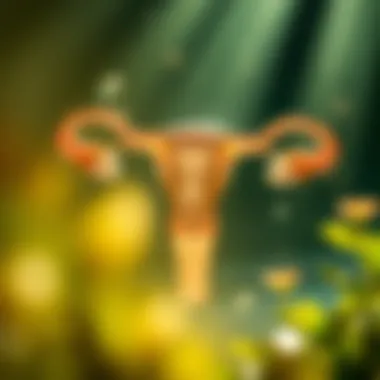
The interplay between Chinese herbs and ovarian health is a topic of growing interest. Ovarian cysts can pose significant challenges for women, impacting their health and quality of life. Chinese herbs aim to address these issues through natural means. In this section, we will explore the beneficial aspects of these herbal remedies, their role in improving ovarian functions, and how they blend with traditional practices to foster better health outcomes.
Mechanisms of Action
Chinese herbs operate on several principles that can enhance ovarian health. One of the primary mechanisms is their ability to modulate body functions, balancing different systems within it. Here are some notable mechanisms:
- Reduction of Inflammation: Many Chinese herbs possess anti-inflammatory properties. For instance, herbs like Turmeric can help alleviate inflammation around the ovaries, thus promoting a healthier environment for eggs and other ovarian functions.
- Improvement of Blood Circulation: Some herbs, such as Red Clover, enhance blood flow to the pelvic area. Improved circulation can help supply necessary nutrients and remove toxins that may exacerbate cyst formation.
- Adaptation of Body's Response to Stress: Stress can derail hormonal balances. Adaptogenic herbs like Ashwagandha can help the body manage stress, indirectly supporting ovarian health.
By understanding these mechanisms, we can appreciate how Chinese herbs fit into the holistic care of ovarian cysts, addressing not just symptoms but underlying causes.
Regulating Hormonal Balance
The regulation of hormonal balance is crucial in managing ovarian cysts effectively. Hormones control many reproductive functions, and their imbalance can lead to the formation of cysts. Chinese herbal remedies work toward achieving hormonal equilibrium in various ways:
- Supporting Liver Function: The liver plays a crucial role in metabolizing hormones. Herbs such as Bupleurum are known to support liver health and assist in hormone regulation. A healthy liver can better process estrogen, potentially reducing the likelihood of cyst development.
- Balancing Estrogen and Progesterone: Certain herbs, like Dong Quai, have been traditionally used to help balance estrogen and progesterone levels. This hormonal balance is essential for preventing the type of cysts that arise from hormonal imbalances, such as functional cysts.
- Facilitating Menstrual Regulation: Herbs that help normalize menstrual cycles can also have a positive impact on preventing cysts. For example, Peony Root can help in regulating menstrual blood loss, ensuring the reproductive system functions optimally.
Utilizing these herbs can help women manage their hormonal health effectively, leading to outcomes that are beneficial both for ovarian health and overall well-being.
"Managing hormonal levels naturally by using Chinese herbs is not just about treating symptoms, it's about restoring balance within the body."
In summary, the connection between Chinese herbs and ovarian health revolves around their mechanisms of action and ability to harmonize hormonal balance. Through an understanding of these connections, a pathway emerges for women seeking natural remedies in managing ovarian cysts.
Notable Chinese Herbs for Ovarian Cysts
In the realm of holistic healthcare, certain Chinese herbs have garnered considerable attention for their potential benefits in managing ovarian cysts. Each herb is noted not only for its unique properties but also for how they contribute to overall ovarian health. Understanding these herbs is crucial, as they can offer natural alternatives to traditional pharmaceutical interventions. It's important to examine these remedies in the context of traditional Chinese medicine (TCM), where the focus is on balance and holistic well-being.
Dong Quai
Dong Quai, often referred to as the "female ginseng," is a staple in the world of TCM and is especially revered for its effects on women's reproductive health. This herb is primarily used to nourish the blood and promote circulation. It plays a critical role in helping to alleviate menstrual irregularities that can be associated with ovarian cysts.
The primary active compounds in Dong Quai include ligustilide and ferulic acid, which can potentially help reduce inflammation and regulate hormonal levels. This regulation is significant because many ovarian cysts are influenced by hormonal imbalances, where a surge of estrogen can contribute to their formation. Regular incorporation of Dong Quai may help in creating a more favorable environment for ovarian health. However, caution is advised for individuals on blood thinners as it can enhance their effects.
Licorice Root
Licorice Root is another notable herb employed in TCM, prized for its sweet flavor and harmonizing properties. It serves not only as a flavor enhancer in herbal formulas but also plays an important role in modulating cortisol levels. Cortisol, often referred to as the stress hormone, can profoundly affect hormonal balance and potentially impact ovarian health.
Licorice is known for its glycyrrhizin content, which can mimic estrogen in the body. While this can be beneficial for addressing hormonal imbalances, excessive consumption may lead to side effects such as hypertension. Therefore, using Licorice Root under the guidance of a qualified practitioner is wise to prevent any adverse reactions, particularly in people with pre-existing health conditions.
Peony Root
Peony Root is often used in conjunction with Dong Quai for their complementary effects. This herb is recognized for its role in relaxing the muscles and reducing spasms in the pelvic region, which can help alleviate discomfort related to ovarian cysts. Furthermore, Peony is known to have anti-inflammatory properties, making it beneficial for inflammatory conditions surrounding the ovaries.
This herb works by modulating immune responses and has been shown in some studies to provide a balancing effect on estrogen levels while also supporting liver function. A healthy liver is crucial for metabolizing hormones, which can indirectly aid in preventing cyst formation. Its combination with other herbs in formulations amplifies its efficacy, but like other herbs, it should be taken thoughtfully.
Bai Zhu
Bai Zhu, or Atractylodes macrocephala, is less known but no less significant among the herbs used in managing ovarian health. It primarily strengthens the spleen and enhances digestion, which is crucial as an optimally functioning digestive system is considered fundamental in TCM.
Bai Zhu also helps in boosting the immune system, allowing the body to cope better with conditions that can lead to the development of ovarian cysts. Moreover, it can help alleviate symptoms such as bloating and fatigue, which are closely associated with ovarian issues. As this herb is less likely to present side effects, it offers a gentle approach to promoting overall wellness.
Various Herbal Formulations
Beyond individual herbs, many practitioners utilize various herbal formulations that combine multiple herbs tailored to a person's specific symptoms and needs. These formulations can include combinations of Dong Quai, Licorice Root, Peony Root, Bai Zhu, among others, creating a synergy that can enhance overall effectiveness.
The advantage of these formulations lies in their targeted approach; they can address not only ovarian cysts but also other related culprits such as menstrual irregularities, hormonal imbalances, and digestive issues. It’s like preparing a customized meal rather than just eating a single dish. However, it's essential to consult with a qualified herbalist or healthcare provider before trying any formulation to ensure safety and effectiveness for individual health conditions.
In summary, the notable Chinese herbs for managing ovarian cysts offer a multi-faceted approach to women's health by addressing hormonal balance, supporting reproductive functions, and enhancing overall well-being. Engaging with these herbs requires caution and respect for the body’s unique needs.
Potential Benefits of Using Chinese Herbs
The exploration of Chinese herbs as a therapeutic avenue is particularly relevant in understanding their potential benefits in managing ovarian cysts. These benefits extend beyond symptom reduction, influencing factors such as overall wellness, hormonal balance, and menstrual regulation. Incorporating Chinese herbs into a holistic health strategy can offer women an alternative or adjunct treatment method. This section provides insights into these aspects, inviting those interested in natural remedies to consider their efficacy and role in personal health journeys.
Reducing Symptoms
One key aspect that stands out is the ability of certain Chinese herbs to effectively reduce the symptoms associated with ovarian cysts. Many women suffering from cysts experience discomfort that can vary from mild to severe. Herbs like Dong Quai and Licorice Root have a history of being used to alleviate pain and discomfort.
- Dong Quai: Often dubbed the "female ginseng", it helps in relieving menstrual cramps and supports overall reproductive health. Its anti-inflammatory properties can contribute to alleviating pain linked with cyst formation.
- Licorice Root: Not only does it provide a sweet flavor in herbal teas, it is known to aid in reducing inflammation and balancing hormones, which can indirectly lessen discomfort.
"Natural remedies take time, but often can provide gentle relief without the side effects associated with pharmaceuticals."


These herbs also help in improving blood circulation, which may further assist in reducing bloating and other related symptoms. Thus, using these traditional remedies provides a multifaceted approach to symptom management that is often well-tolerated by the body.
Promoting Fertility
Fertility can be a concern for women dealing with ovarian cysts, as hormonal imbalances and irregular cycles might arise from cyst-related conditions. Chinese herbs have been known to address these concerns through their hormonal regulatory effects. Peony Root and Bai Zhu are among the herbs that could support fertility.
- Peony Root: This herb plays a critical role in TCM and is used to nourish the blood and soften the liver. It may help regulate menstrual cycles, thus potentially boosting fertility.
- Bai Zhu: Recognized for its spleen-tonifying properties, it enhances overall energy levels. This holistic benefit can contribute to creating an environment conducive for conception.
Integrating these herbs into a lifestyle focused on reproductive health not only addresses existing issues but could also play a preventive role in future health. Understanding how such remedies support fertility can be particularly empowering for women navigating their reproductive health landscapes.
Balancing Menstrual Cycles
Another notable benefit of Chinese herbs is their ability to help balance menstrual cycles. Irregularities in cycles can lead to stress and uncertainty about fertility and overall well-being. The interplay of Qi, Yin, and Yang in TCM emphasizes maintaining balance, and several herbs work effectively toward this goal.
- Licorice Root and other harmonizing herbs help in stabilizing hormones, leading to more regular cycles.
- Many formulations containing a blend of the herbs discussed previously can enhance the body's natural rhythms, promoting predictability and comfort during menstrual phases.
Incorporating these herbs into one's routine may not only ease menstrual discomfort but also enhance the predictability of the cycle, offering peace of mind to users. The benefit lies not just in the physical aspect but also in the mental peace that comes with understanding one's body better.
By understanding these potential benefits, individuals can appreciate the breadth of effects that Chinese herbs can have on ovarian health. Engaging with these herbal solutions as part of a comprehensive health strategy presents a holistic approach that aligns medical traditions with modern-day health insights.
Considerations and Precautions
When discussing the management of ovarian cysts, it's crucial to address the considerations and precautions surrounding the use of Chinese herbs. Understanding the role these herbs can play in treatment is important, but so is recognizing the potential risks and the need for comprehensive healthcare planning.
Consulting Healthcare Providers
Before embarking on any herbal regimen for managing ovarian cysts, consulting with healthcare providers must be a top priority. Each individual is different, and healthcare professionals can help navigate the complexities of such treatments.
- Personalized Advice: A qualified healthcare provider can assess a person’s unique health history and current condition. They may also offer insights based on the latest medical research and a need for any alternative therapies, ensuring safe integration of Chinese herbs into existing treatment plans.
- Potential Interactions: Chinese herbs, like any supplements, can interact with conventional medications. Some herbs may amplify effects or lead to adverse reactions with certain drugs. For instance, licorice root can affect hormone levels, which might conflict with hormonal treatments.
- Ongoing Monitoring: Regular check-ins with a healthcare provider allow for adjustments in treatment as necessary, tracking symptoms and making changes to the regimen based on personal response to the herbs used.
"Patient safety is paramount, and informed decisions should involve a partnership between patients and their healthcare team."
Possible Side Effects
While Chinese herbs can offer benefits, they don’t come without their own risks and side effects, making it essential to be aware of them.
- Gastrointestinal Issues: Some individuals may experience digestive disturbances when using certain herbs, leading to nausea, diarrhea, or cramps. These symptoms should not be ignored; if they persist, reconsideration of the herb or dosages is necessary.
- Allergic Reactions: Just like with any plant-based treatment, there’s a risk of allergies. Skin reactions, breathing difficulties, or other allergic symptoms can arise, especially in those with existing sensitivities.
- Hormonal Effects: Herbs such as Dong Quai and Peony Root are known for their potential to influence hormone levels. While this can be beneficial for some, it may exacerbate hormonal imbalances in others, especially in individuals with specific health conditions like endometriosis or hormone-sensitive cancers.
In summary, while Chinese herbs can provide considerable support in managing ovarian cysts, it is vital that users remain vigilant and well-informed. Consulting with healthcare providers is essential for tailoring treatment, avoiding potential interactions, and addressing any side effects that may arise.
For more detailed exploration of herbal interactions, visit NIH. Familiarizing oneself with ongoing research can also lend clarity to the efficacy and safety of herbal therapies in this context.
Integrating Chinese Herbs into Modern Therapy
In the realm of health and wellness, the fusion of traditional and modern approaches has gained traction in numerous therapeutic fields, especially in the management of conditions such as ovarian cysts. As patients increasingly seek alternative and complementary strategies, integrating Chinese herbs into contemporary medical practices emerges as a significant avenue. This integration is not just about adding herbs to treatment regimens; it’s a thoughtful melding of perspectives that can provide holistic benefits. Understanding how to effectively combine these approaches can yield better health outcomes and foster a deeper sense of body awareness.
Complementary Approach
The complementary approach to health care advocates for the coalescence of various treatment modalities to enhance patient outcomes. In terms of managing ovarian cysts, this could mean using Chinese herbs alongside conventional therapies like hormonal treatments or surgery. This strategy emphasizes the whole person, considering emotional, physiological, and environmental factors that contribute to health issues.
Chinese herbs, such as Dong Quai and Peony Root, aren't merely put in the mix; they play distinct roles in balancing the body's natural rhythms and alleviating symptoms. Their incorporation can create a synergistic effect, where the benefits of each treatment enhance the overall therapeutic experience. For instance, while a doctor may prescribe medication to regulate hormones, integrating herbal remedies can help modulate the body’s response and potentially reduce side effects or enhance efficacy.
- Advantages of the Complementary Approach:
- Promotes a holistic view of health.
- Addresses different symptoms of ovarian cysts, providing multifaceted relief.
- May reduce reliance on pharmaceuticals, thus lowering potential side effects.
- Empowers patients to be active participants in their own care.
While the potential benefits are substantial, one must tread carefully. The collaboration between healthcare providers and patients is paramount, ensuring that all treatments are discussed openly. Such dialogues can pave the way for personalized care plans tailored to each individual’s needs.
Evidence-Based Research
As the integrative medicine landscape evolves, the importance of evidence-based research cannot be overlooked. This involves utilizing well-documented studies to support the usage of Chinese herbs in modern therapies. For practitioners, it is essential to have reliable data demonstrating the efficacy and safety of various herbal remedies in treating ovarian cysts.
Research on Chinese herbs often emphasizes their pharmacological properties, showcasing how certain compounds work on a cellular level to exert therapeutic effects. For example:
- Dong Quai is recognized for its anti-inflammatory properties, noted in studies for its ability to improve blood circulation in the reproductive system.
- Licorice Root is significant for its hormonal balancing effects, with various sources describing its role in modulating estrogen levels.
Furthermore, studies highlighting the synergy of these herbs with modern treatments can provide practitioners and patients with clearer insights into their combined efficacy. Clinicians may refer to peer-reviewed literature or databases such as PubMed or Google Scholar when considering these integrations.
"Integrating traditional knowledge with modern clinical evidence can lead to promising advancements in patient care."
In closing, embracing an evidence-based perspective while incorporating Chinese herbs provides a clinical legitimacy that addresses not just symptomatic relief but the holistic well-being of individuals facing ovarian cysts. This thoughtful interplay between tradition and innovation marks the way forward for optimized health strategies.


Case Studies and Anecdotal Evidence
Case studies play a pivotal role in the understanding and application of Chinese herbs for managing ovarian cysts. The anecdotal narratives add a rich layer to the scientific discussion, highlighting real-world experiences of individuals who have incorporated these traditional remedies into their journey toward health. This section delves into the benefits and key considerations of relying on case studies and testimonies from patients, underscoring how these personal accounts can illuminate the potential effectiveness of herbal treatments in this area.
Successful Treatments
The landscape of managing ovarian cysts through Chinese herbs is replete with accounts of successful treatments. In various cases, women have turned to herbs such as Dong Quai and Licorice Root, seeking solace from pain and hormonal imbalances. For instance, a woman in her late twenties reported that after several months of using a blend of herbs emphasizing Peony Root, she experienced significant relief from her discomfort.
"After integrating herbal therapy into my routine, I felt a wave of difference. The cysts that once made me fear every cycle began to shrink, and my mood stabilized as well!"
Such reports not only provide hope but also demonstrate the practical viability of these remedies. In another example, a patient with a long-standing issue of ovarian cysts found that daily consumption of Bai Zhu helped regulate her menstrual cycle, ultimately contributing to the resolution of her cysts.
Testimonies from Patients
Testimonies from patients are both compelling and informative. While scientific studies provide a foundation, personal stories often resonate on a deeper level. Many individuals who faced similar struggles find comfort in hearing that they are not alone.
One patient shared her journey on an online forum: "I was certainly skeptical at first — how could something so ancient work in today’s world? But after just a few months of using a blend tailored for my imbalance, I was astonished by the results. The bloating and pain diminished, and I regained my confidence." Such perspectives underscore the emotional and physical transformations that can accompany the use of Chinese herbs.
Moreover, these anecdotes also highlight the cultural dimension, where community support and shared experiences can significantly enhance the healing journey.
Offering insights into the psychological and physical benefits of these herbs, these personal narratives enrich the academic discourse and propel further exploration. They invite health practitioners and patients alike to look beyond conventional treatments and consider the holistic approach rooted in traditional wisdom.
Future Directions in Research
The field of herbal medicine, particularly in association with conditions like ovarian cysts, is undergoing a transformation. It’s not just about ancient practices anymore; there is a pressing need for evidence-based approaches that intertwine both traditional knowledge and modern science. Understanding these future directions in research is essential, as they can significantly impact how we view and utilize Chinese herbs in managing ovarian health.
Emerging Studies
Research is increasingly focusing on the therapeutic potentials of various Chinese herbs, examining how they can specifically address ovarian cysts. For instance, a recent study on Dong Quai illustrated its effects on hormonal regulation, showing promising results in women suffering from menstrual irregularities due to cyst formation. Here, we can see how herbal remedies gather legitimacy beyond anecdotal evidence.
Moreover, studies are exploring the phytochemical properties of plants like Licorice Root and Peony Root. They’ve demonstrated anti-inflammatory properties, which could indeed play a crucial role in the management of ovarian cysts. The aim is to publish findings that not only elucidate these mechanisms but also help in developing standardized dosages and formulations.
It’s crucial to pursue research that compares the efficacy of these herbs against conventional treatments, such as hormonal therapies or surgical interventions. By bridging the gap between traditional Chinese medicine and the Western medical framework, researchers can foster a more integrated approach.
Interdisciplinary Collaborations
When it comes to tackling complex health issues like ovarian cysts, a multidisciplinary approach is essential. Collaboration among herbalists, gynecologists, endocrinologists, and researchers can provide a more holistic understanding of these conditions.
For example, joint studies may assess the impact of specific Chinese herbs on hormonal levels while simultaneously examining their effects on metabolic health and emotional well-being. Such partnerships can yield comprehensive insights, generating data that advances both conventional and alternative medical practices.
Additionally, interdisciplinary teams can help in educating the medical community on integrating these alternative therapies into patient care. This can ensure holistic management strategies, making it easier for patients to choose complementary therapies that align with their needs.
In summary, the future of research in this area holds great potential. It aims for a landscape where the wisdom of herbal medicine is validated through rigorous scientific inquiry, leading to more effective and accepted treatment protocols for ovarian cysts. This not only empowers women seeking alternatives or complementary options but also enriches the overall field of women’s health.
"The integration of traditional practices with modern scientific research is the pathway towards a more effective healthcare system that honors both wisdom and innovation."
By committing to studies that highlight both the benefits and possible drawbacks of herbal treatments, we can navigate the complexities surrounding ovarian health with a more informed perspective.
Ending
The conclusion serves as a crucial turning point in this exploration of Chinese herbs and their role in managing ovarian cysts. It encapsulates the insights acquired throughout the article, reminding readers of the intricate balance between traditional wisdom and modern medical practices.
In summing up, several key points stand out:
- Integration of TCM Principles: Traditional Chinese Medicine offers a unique perspective, emphasizing holistic approaches that account for the individual's overall well-being.
- Herbs for Hormonal Balance: The specific herbs discussed provide insight into regulating hormones, potentially leading to a decrease in cyst formation and alleviation of symptoms.
- Collaboration with Healthcare Professionals: Highlighting the importance of working alongside healthcare providers ensures that patients are equipped to make informed decisions about their treatment plans. This collaboration emphasizes safety and effective management strategies.
Two significant benefits deserve particular attention. First, the use of Chinese herbs can lead to symptom relief that medications alone might not achieve. Second, incorporating lifestyle adjustments alongside these herbs may promote overall health, enhancing the effectiveness of any treatment regimen.
The considerations surrounding the conclusion reinforce the idea that while herbal remedies can be effective, they are best utilized within a broader health strategy. Always, the essence of this exploration is clarity: the connection between the ancient wisdom of Chinese herbal medicine and the modern understanding of ovarian health should not be overlooked.
"Holistic approaches nurture not just the body, but also the spirit, guiding women towards better health and harmony."
Indeed, as we wrap this up, it's vital to acknowledge that exploring these methods paves the way for future research and potential breakthroughs in treatment. Understanding the significance of this ancient practice in contemporary health circles strengthens the foundation for an integrative approach to women's health issues.
Summarizing Key Takeaways
In this section, let's highlight several key takeaways that you may find useful:
- Incorporation of Chinese Herbs: Herbs such as Dong Quai and Licorice Root can play crucial roles in managing ovarian cysts.
- Holistic Health: Emphasizes the need for a whole-person approach, which encompasses mental and emotional well-being.
- Patient Empowerment: Encourages individuals to take part in discussions about their treatment options with healthcare providers.
Encouraging Further Exploration
As we move beyond the conclusions presented, there is much to be discovered about the relationship between Chinese herbs and ovarian health. For anyone curious, several directions for deeper exploration include:
- Research current clinical studies on the efficacy of specific herbs in managing cysts. Websites like www.ncbi.nlm.nih.gov or www.clinicaltrials.gov can be valuable resources.
- Engage in community discussions or forums on platforms like reddit.com/r/herbalism where personal experiences and insights about herbal interventions for ovarian health can be exchanged.
- Look into collaborations between Traditional Chinese Medicine practitioners and Western medicine professionals to understand integrative therapies better. Many educational institutions offer courses that touch on this intersection, often listed on their *.edu websites.
Overall, the interplay between traditional practices and modern understanding offers a fascinating pathway toward better health, especially regarding women's reproductive wellness. Engaging in further exploration can lead to exciting discoveries that may enhance the management of conditions affecting ovarian health.